Increased Self Consumption of Solar Energy
Solar panels only produce energy while the sun is shining. This creates a disconnect between the energy production and energy utilization. Oftentimes, solar users consume little to no energy during the high production hours of the solar panels. Even with energy storage, when energy is produced, but not utilized, it is wasted energy creates. Energy storage batteries provide a solution to this wasted energy. Energy storage batteries capture and store this energy, making it available on demand. This increases the self consumption of the energy storage from the typical 30% to over 80%. Anecdotal evidence from commercial and residential users of energy storage batteries shows a sizable decrease in reliance on the energy grid and a subsequent decrease in energy bills. Energy storage batteries increase the value of solar panels from a partial energy solution to a total energy solution that is not limited by natural production schedules. Higher self consumption of energy also reduces strain on the energy grid by decreasing energy usage that is spiking during peak times. This creates a positive externality for both the energy users and the utility companies.
Important Economic Benefits and Cost Reductions
Energy storage systems have clear economic advantages and benefits due to their ability to lower costs associated with electricity and to create new revenue streams. Many jurisdictions have time of use pricing whereby grid power is much more expensive during morning and evening peak periods. Storage systems can charge during peak solar production and off-peak pricing periods, and discharge during peak pricing periods to considerably alleviate energy costs. Commercial customers have been able to realize annual savings of 20-40% after implementing solar plus storage, and residential customers have been able to achieve savings of 25-50%. Some jurisdictions allow storage customers to sell ancillary services, such as frequency regulation and demand response, which create additional revenue streams. Industry experts believe that the rapid increase in electricity prices coupled with the declining cost of batteries has forced many use cases to have payback periods of 3 to 7 years, thereby making storage a viable economic investment as opposed to just an environmentally focused investment.
Protection from the Grid’s Disruptions
Grid system outages mean the business of the day grinds to a halt creating a loss of productivity, exposing data to risk, and causing discomfort to the populace. Energy storage batteries maintain safe, secure, and stable power supply to the end-user and, most importantly, protect critical loads like lighting, refrigeration, medical devices, security, and digital equipment, by automatically riding through an outage (or event) and disconnecting from the grid. The system is even more advantageous for users who are located off grid or in weak grid situations. Field data from remote communities and commercial sites shows that storage backed solar systems keep operations running smoothly through blackouts and unstable conditions. The trend of extreme weather conditions and highly energy reliant systems increasing demand on power networks affects communities everywhere. The conversion of solar to an energy storage technology discontinues the dependency of solar from a grid reliant technology to an energy independent and secure technology.
Prolonged System Use and Technical Advancement
Modern energy storage batteries have impressive technical strengths and support long-term uninterrupted operation. Leading solutions use lithium iron phosphate cells that have minimal degradation and 6000 to 8000 cycles, which equates to 10 to 15 years of active service. High round-trip efficiency means that over 90% of energy is retained during charge and discharge cycles. Integrated battery management systems and energy management systems manage voltage, temperature, and state of charge to avoid failures and extend service life. Innovations in overcurrent and overvoltage protection along with thermal safeguards enable batteries to operate safely and reliably in many different ambient conditions. Independent test and certification agencies, including CE, UN38.3, and UL, verify that systems meet all of the performance and safety requirements, instilling confidence in the system's quality. The technical innovations significantly reduce maintenance and ownership costs over the life cycle of the product.
Sustainability Goals and Benefits of the Environment
Batteries that store energy create added value for the environment and for solar energy by maximizing the use of clean energy and reducing the carbon footprint. When solar energy is stored, it reduces the use of grid power that is fossil fuel based, which leads to lower greenhouse gases and air pollution. For companies, energy storage helps meet ESG goals, the expectations of stakeholders, and laws relating to the environment. For individual buyers, it helps achieve personal goals for reducing the carbon footprint and aids in achieving the climate goals of the world. Long life and reusable materials in such batteries reduce the waste of materials compared to batteries that have shorter life cycles. In addition, the sustainable packaging and eco friendly manufacturing of the battery reduces the environmental impact. Industry studies have shown that solar energy systems in combination with energy storage will have an annual emissions reduction of several tons for the individual household user and for the commercial user this will be much more. All of these benefits show alignment with global goals for decarbonization.
Adaptable Development Limitations
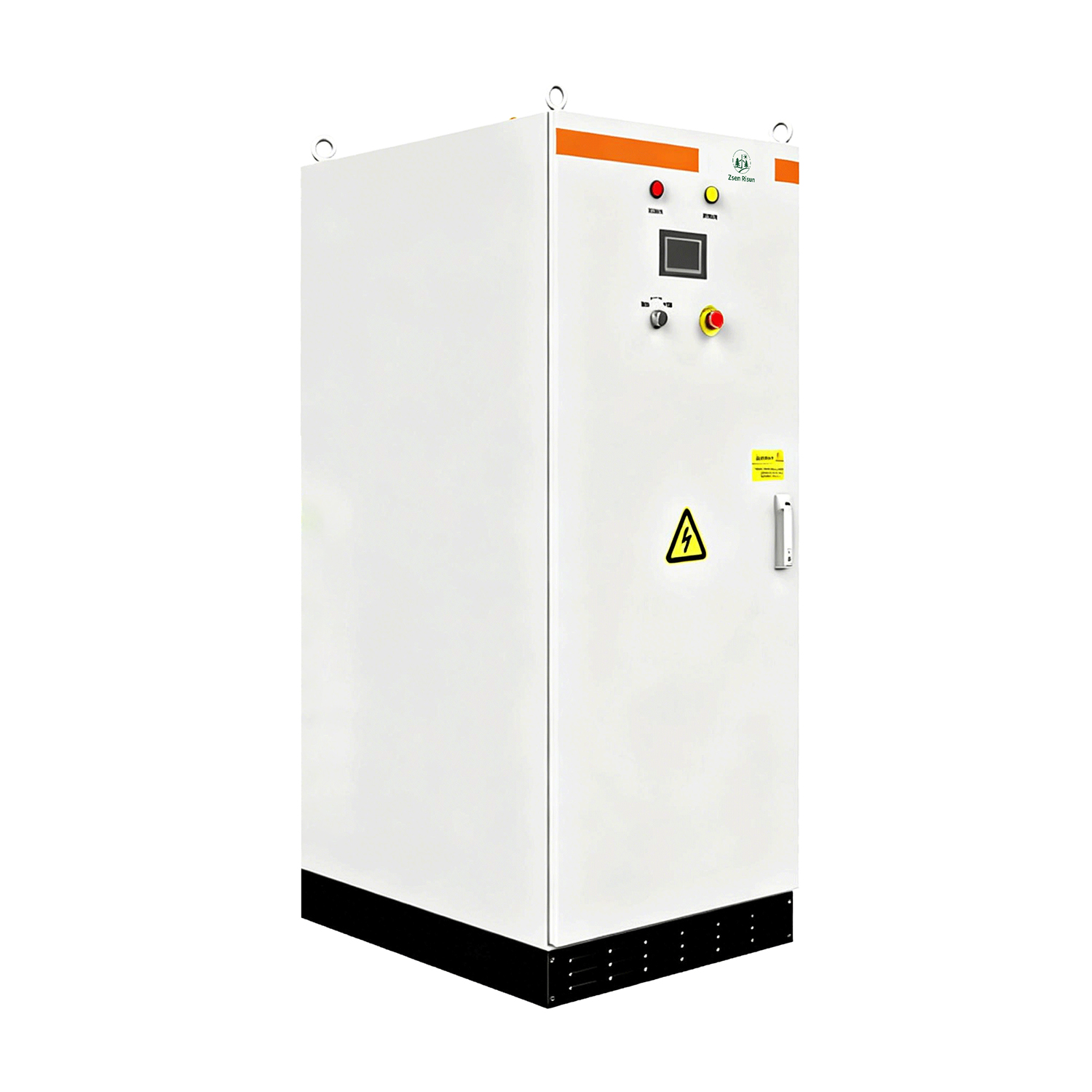
Batteries that store energy have been designed to accommodate and work in the residential, commercial, industrial, and microgrid sectors. Adaptable design should include options for stackable, racked, wall mounted, and integrated systems that should be able to scale from small to large systems. Modular design and construction will allow the user to increase storage capacity without having to replace the entire system. A lot of users want an integrated system that is easy to install and comes with user friendly software as well as monitoring and maintenance support. In relation to this goal, Zen Risun offers the energy storage systems with the highest level of convergence design. Zen Risun has patents for convergence systems, has international project experience in more than 180 countries, and provides excellent design systems at a competitive price. Zen Risun has the right combination of global manufacturing flexibility, robust technology, and proven quality assurance that provides a safe and long lasting solution for users.