Core Manufacturing Process: The performance advantages of lithium iron phosphate batteries stem from precise manufacturing processes. Currently, industrial mass production focuses on the synthesis of cathode materials, combined with cell assembly and post-processing steps. Mainstream processes can be divided into two categories: solid-phase method and liquid-phase method. The carbothermal reduction solid-phase method accounts for over 70% of the global total output, demonstrating significant technological maturity and cost advantages.
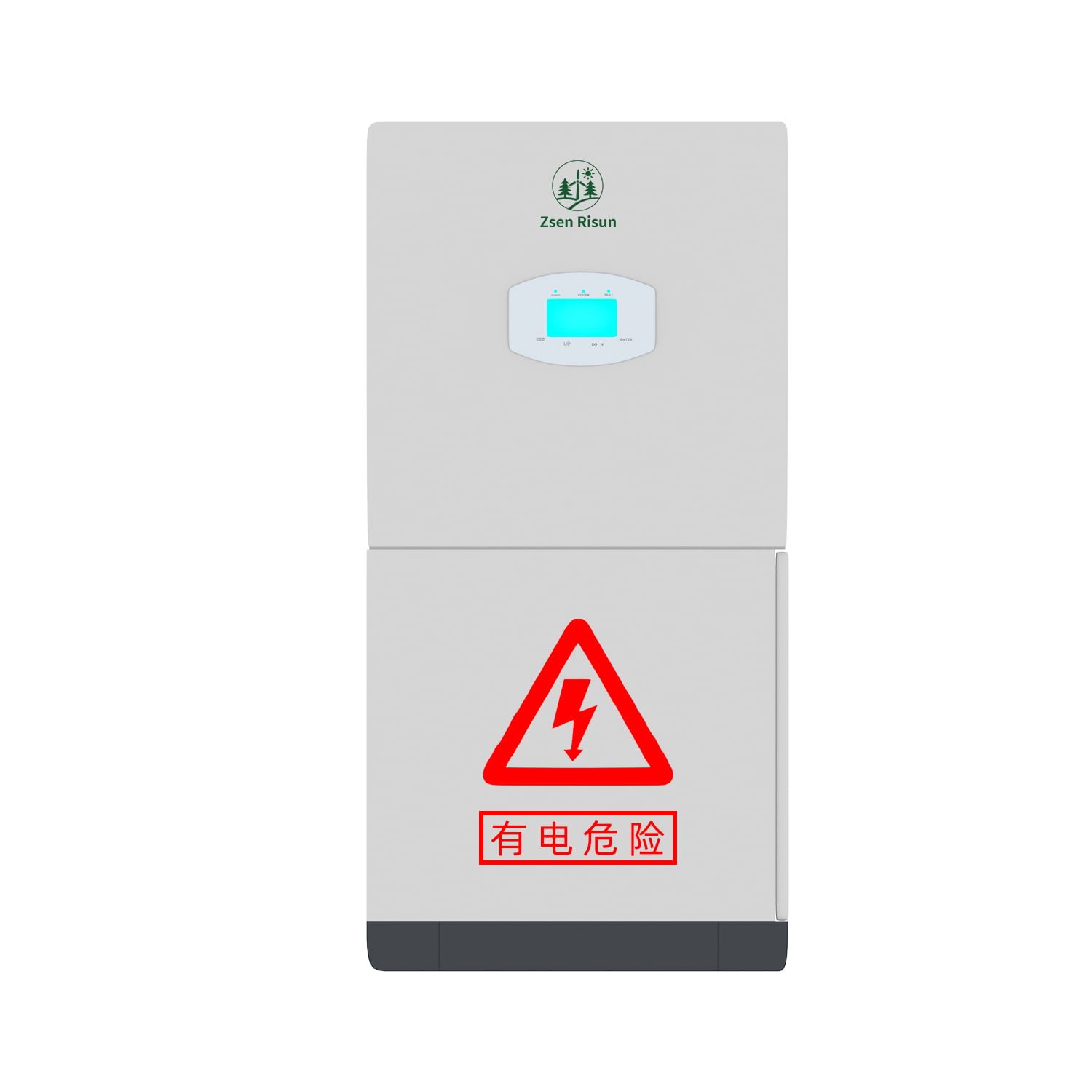
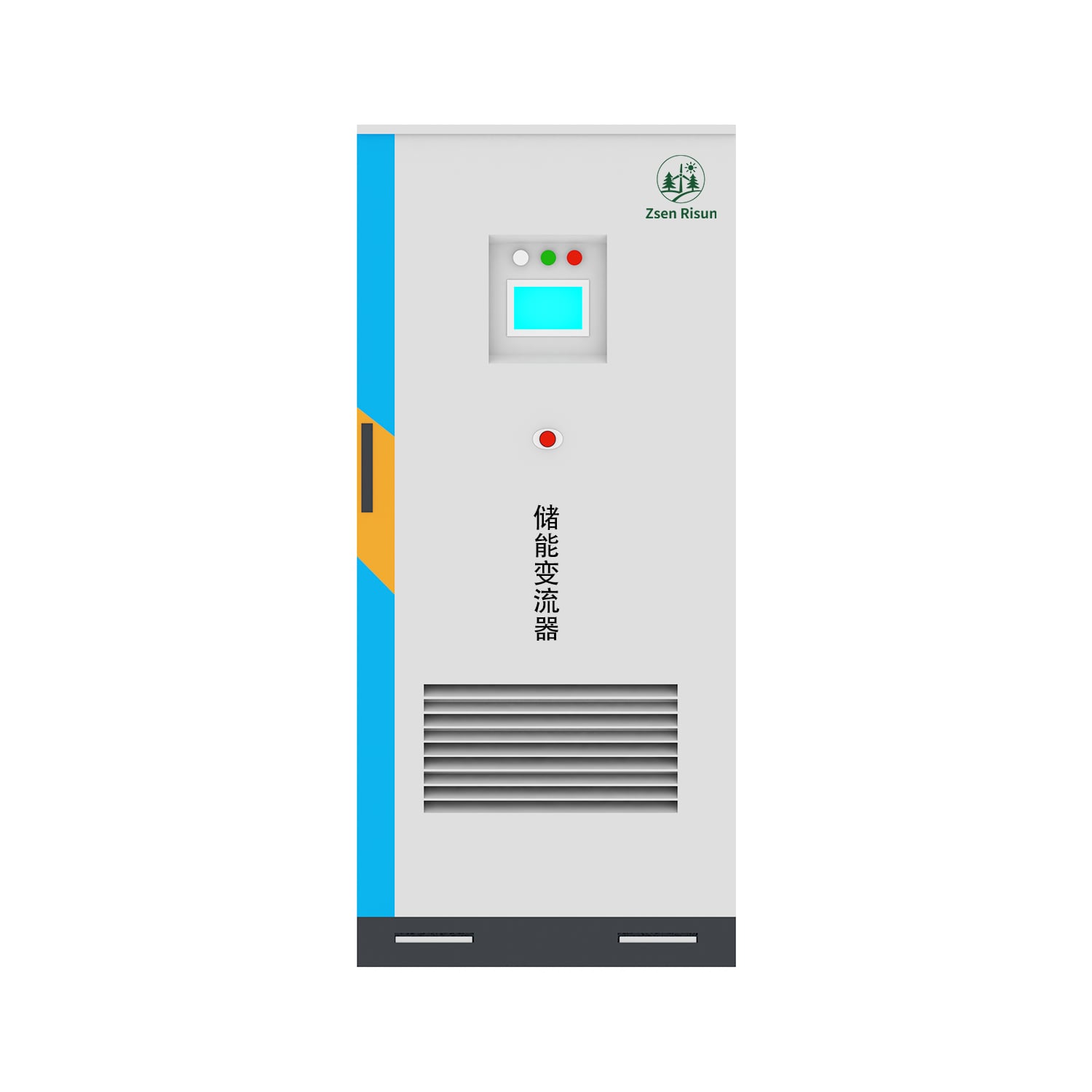
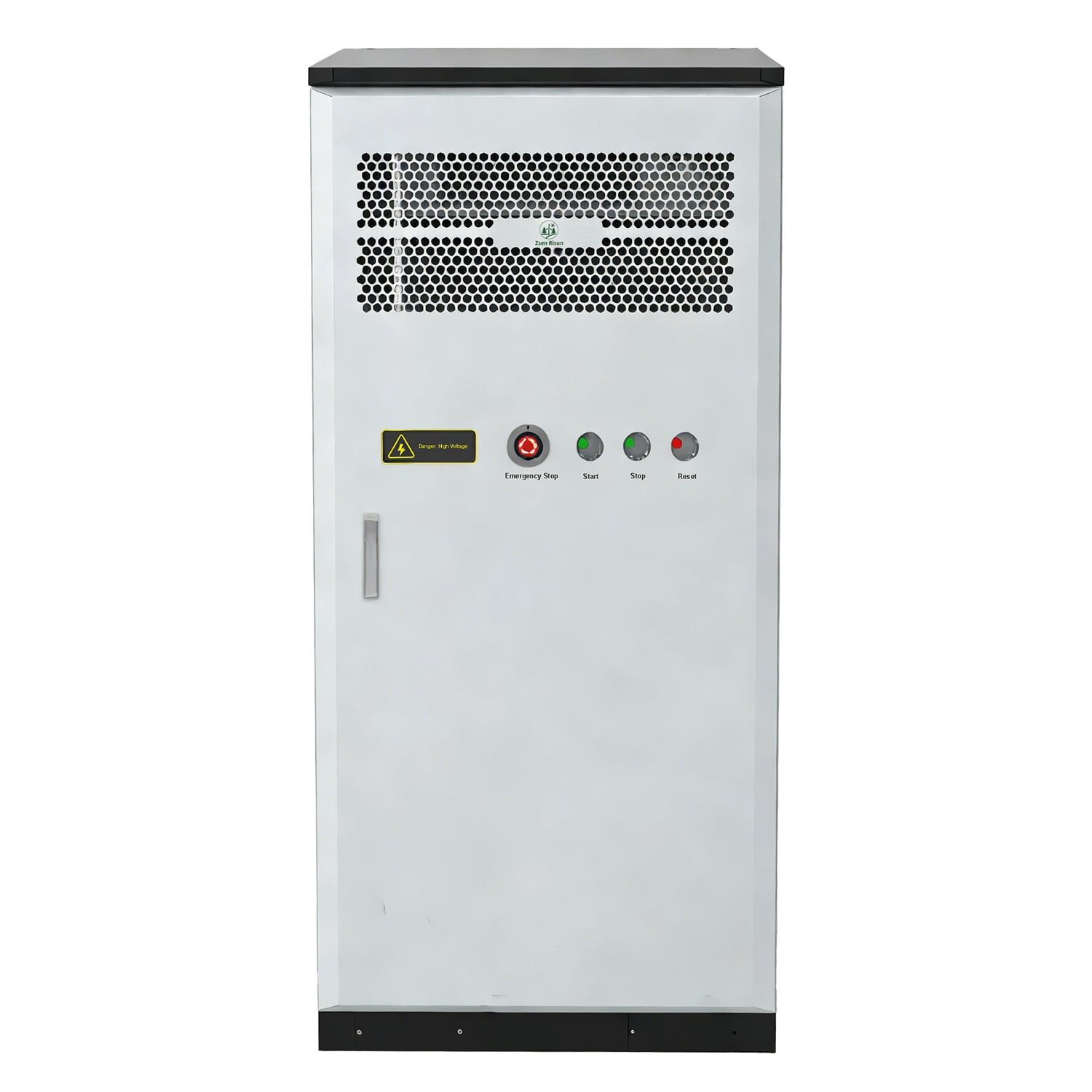
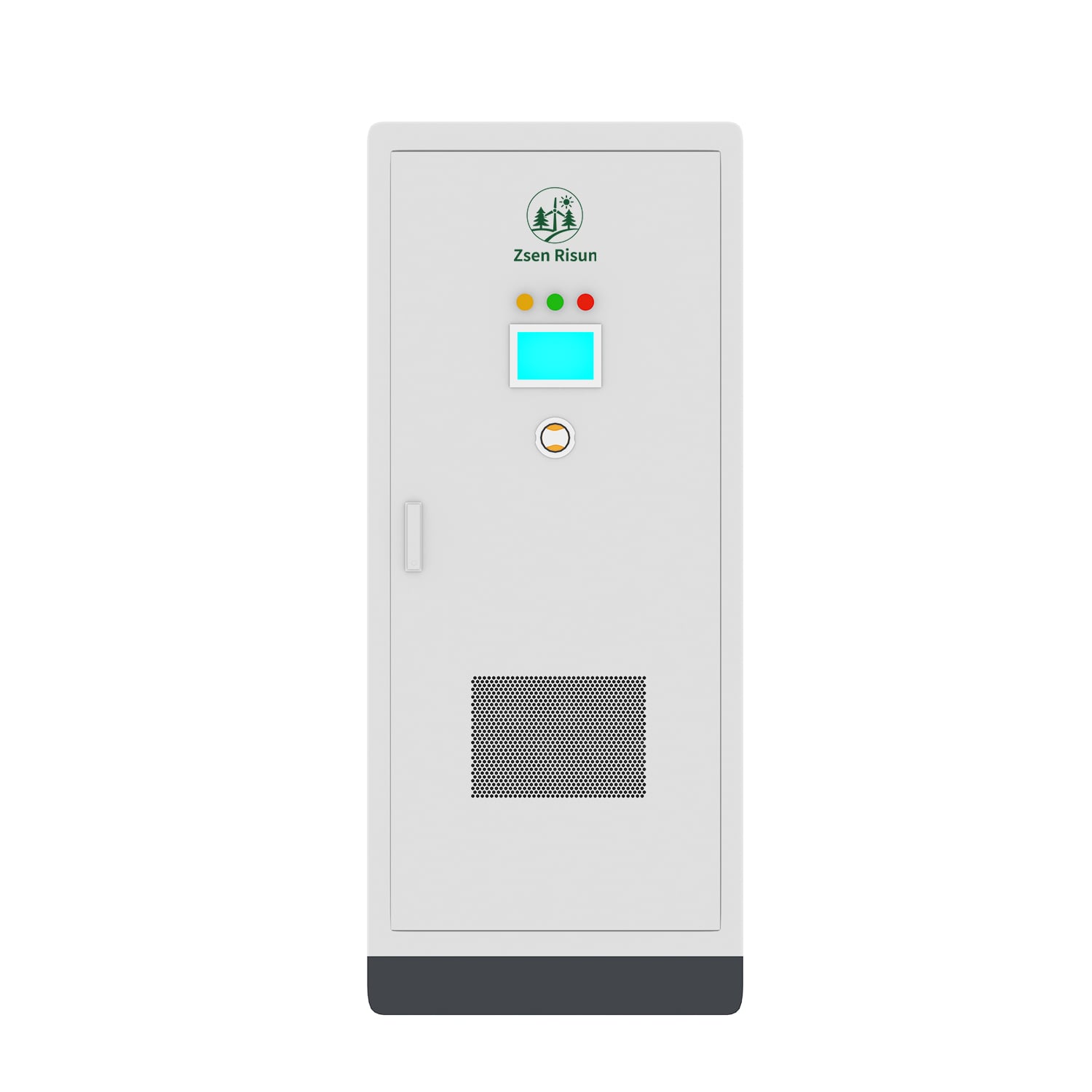
Commercial energy storage integrated systems, as the core integrated equipment for the large-scale application of lithium iron phosphate batteries, integrate core units such as lithium battery packs, PCS converters, BMS battery management systems, and energy scheduling modules. They are suitable for photovoltaic power plants, grid peak shaving, and commercial and industrial backup power scenarios. Their commercial advantages and precise manufacturing processes directly determine the energy efficiency, safety, and operation and maintenance cost-effectiveness of energy storage projects. The following analysis is based on industry standards and mass production technologies.
I. Core Advantages of Commercial Energy Storage Integrated Systems: High-efficiency energy conversion and scalable profitability are core competencies. Mainstream models achieve conversion efficiencies of over 98.5%, with three-phase models exceeding 99%. Combined with the long cycle life of lithium iron phosphate batteries (over 6000 cycles), energy loss can be minimized, maximizing overall returns in commercial scenarios such as peak-shaving and backup power. It supports multi-unit parallel expansion, with single unit power covering 50KW-200KW, allowing for flexible combination into megawatt-scale energy storage systems to meet the needs of large-scale commercial projects.
It boasts extremely strong grid adaptability, compatible with grid-connected, off-grid, and hybrid grid-connected modes, supporting wide voltage input (400V-1000V) and wide frequency adjustment. It complies with GB/T 42737 energy storage power station commissioning procedures and IEEE 1547 grid connection standards, enabling seamless integration with new energy power generation equipment such as photovoltaic and wind power, and the public power grid. It features low-voltage ride-through and reactive power compensation functions, ensuring stable operation on the grid side.
The safety redundancy design is adapted to high-intensity commercial operation requirements, incorporating multiple protection mechanisms against overvoltage, overcurrent, overtemperature, short circuits, and islanding effects. The BMS and PCS systems provide millisecond-level response, combined with fire and explosion protection modules and IP54+ protection rating, making it suitable for complex commercial environments such as outdoor and factory settings. It supports remote cluster monitoring and intelligent scheduling, enabling multi-protocol access via RS485, CAN, Ethernet, and other protocols. This facilitates coordinated charging and discharging strategies across multiple units, fault early warning, and remote operation and maintenance, reducing the operation and maintenance costs of large-scale projects by more than 30%.
The cost control advantages are significant. Large-scale integration reduces module procurement and assembly costs by 18%-25% compared to separate equipment. Unified design standards reduce the difficulty of later spare parts stocking and maintenance, and the low carbon emissions throughout the product lifecycle meet the green compliance requirements of commercial projects.
II. Manufacturing Process of Commercial Energy Storage Integrated Machine: The core of the process focuses on high-power integration, stability control, and standardized mass production, strictly following the commissioning procedures for electrochemical energy storage power stations. The integrated architecture design adopts a modular topology, partitioning the power circuit, control circuit, and energy storage unit according to electromagnetic compatibility (EMC) principles. Metal shielding layers and independent grounding designs are added to suppress electromagnetic interference during high-power operation, ensuring no signal conflicts during multi-module collaboration.
Core components are selected according to commercial-grade standards. Power devices use high-voltage SiC (silicon carbide) modules with a voltage rating of over 1200V. They are tightly bonded to ceramic substrates through vacuum reflow soldering, and combined with an integrated liquid cooling system, the operating temperature can be controlled within 55℃, solving the heat dissipation problem of high-power operation and extending the device lifespan to more than 10 years. The battery pack uses lithium iron phosphate cells integrated in series and parallel, and undergoes vacuum hot pressing packaging and airtightness testing to ensure cell consistency and structural stability.
The commissioning process strictly follows a dual standard of subsystem debugging and whole-station joint debugging. After automated assembly of core components, they undergo a 72-hour high-temperature, high-load aging test, followed by multiple verifications including MPPT tracking accuracy calibration, grid adaptability testing, and fault simulation testing. After the complete machine assembly, a whole-station linkage debugging is performed to verify the multi-unit collaborative operation capability, energy scheduling response speed, and grid fault response performance, ensuring compliance with commercial energy storage project acceptance standards. The technological advancements focus on efficiency and intelligence, improving system energy density through high-density battery cell integration technology, optimizing charging and discharging strategies with AI intelligent scheduling algorithms, and enhancing product consistency with intelligent production lines. This drives the development of commercial energy storage systems towards high power, high reliability, and low energy consumption, making them a core support for new energy commercial energy storage projects.