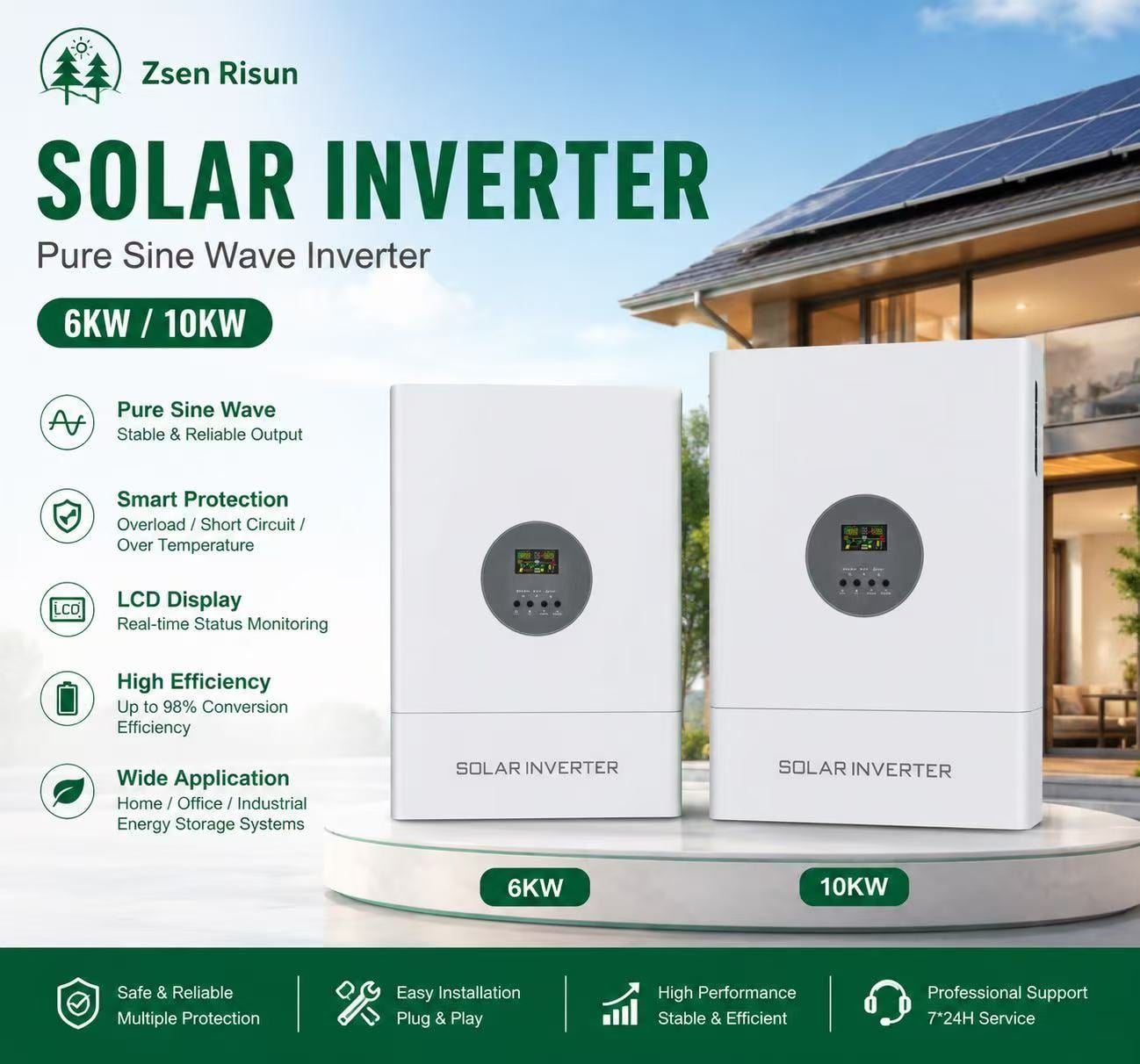
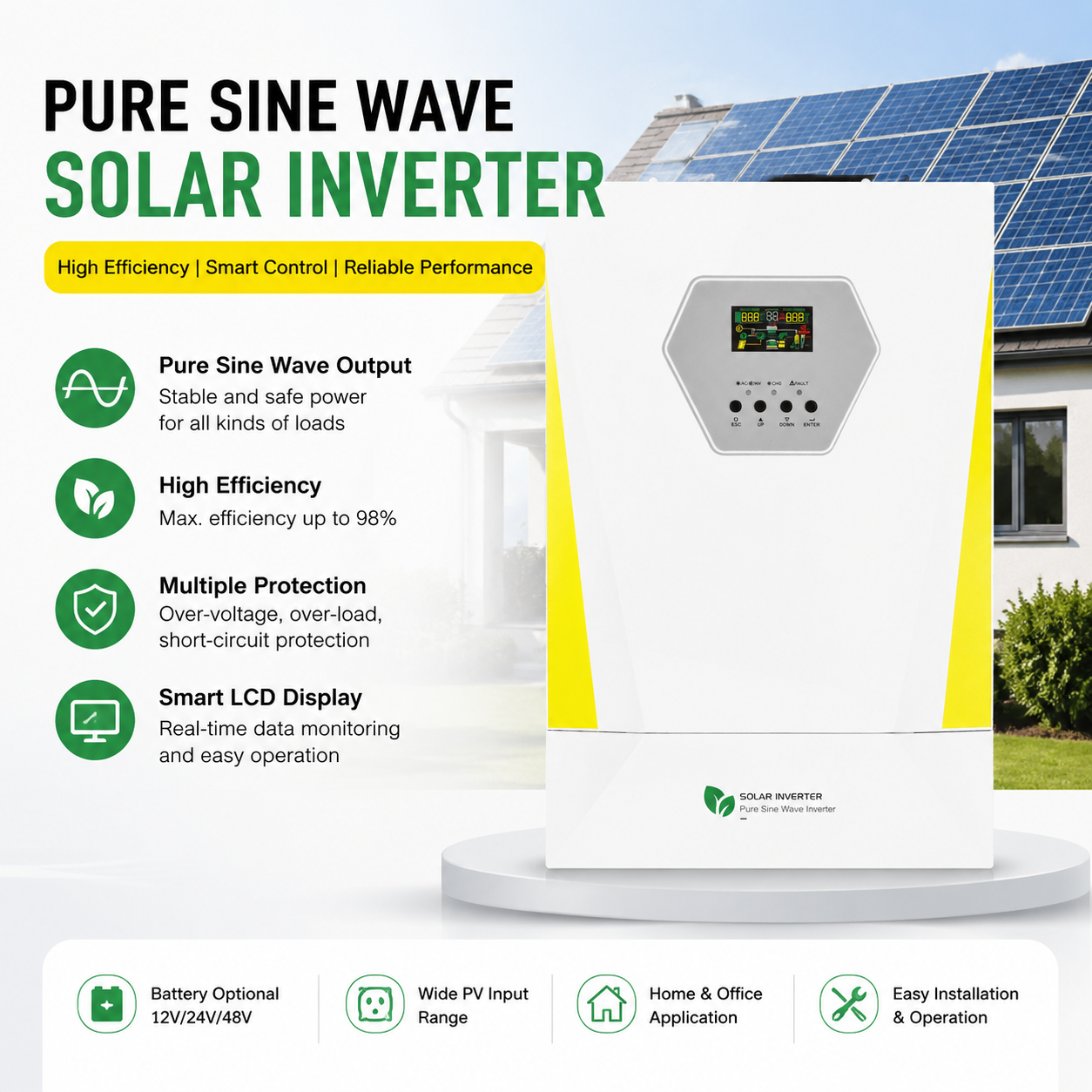
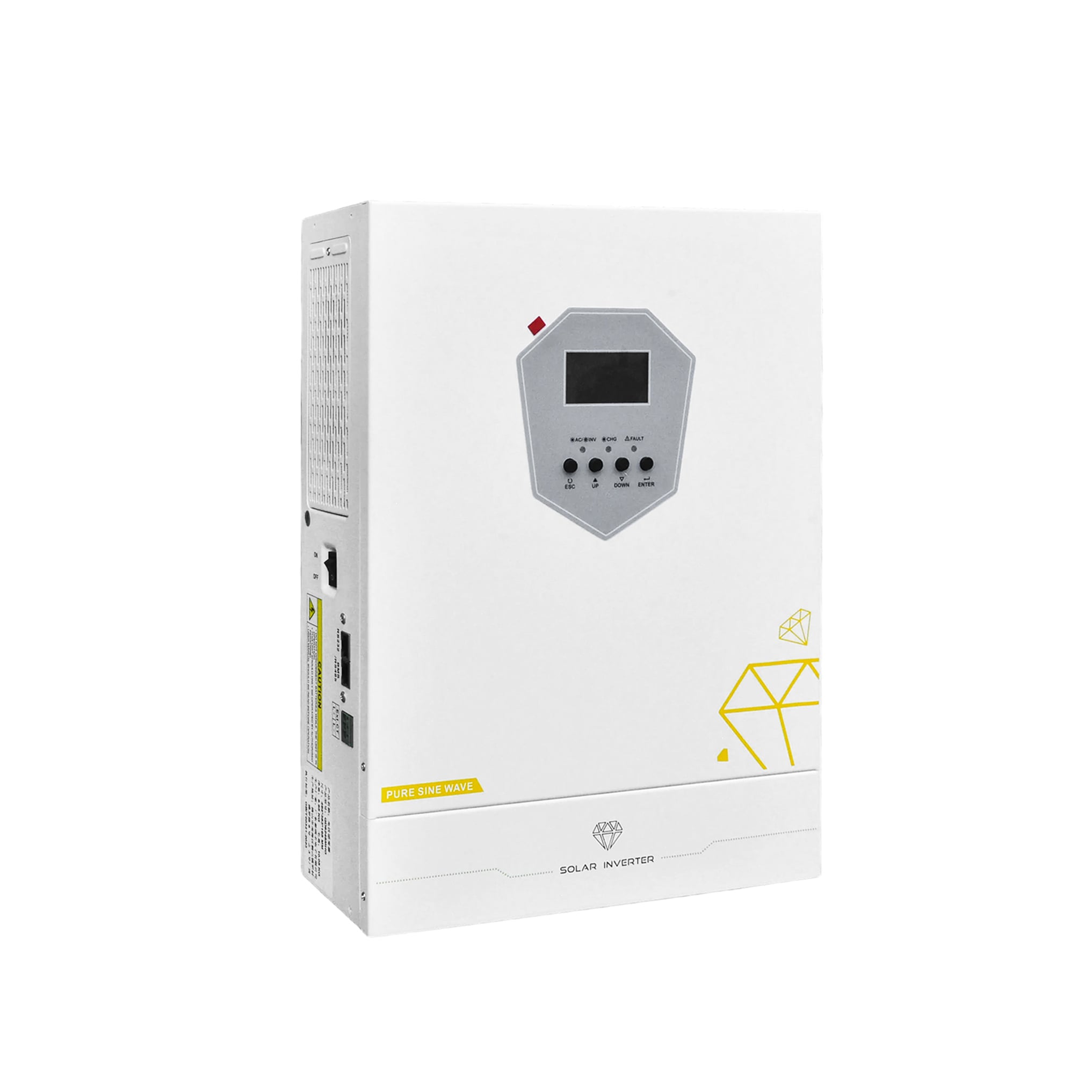
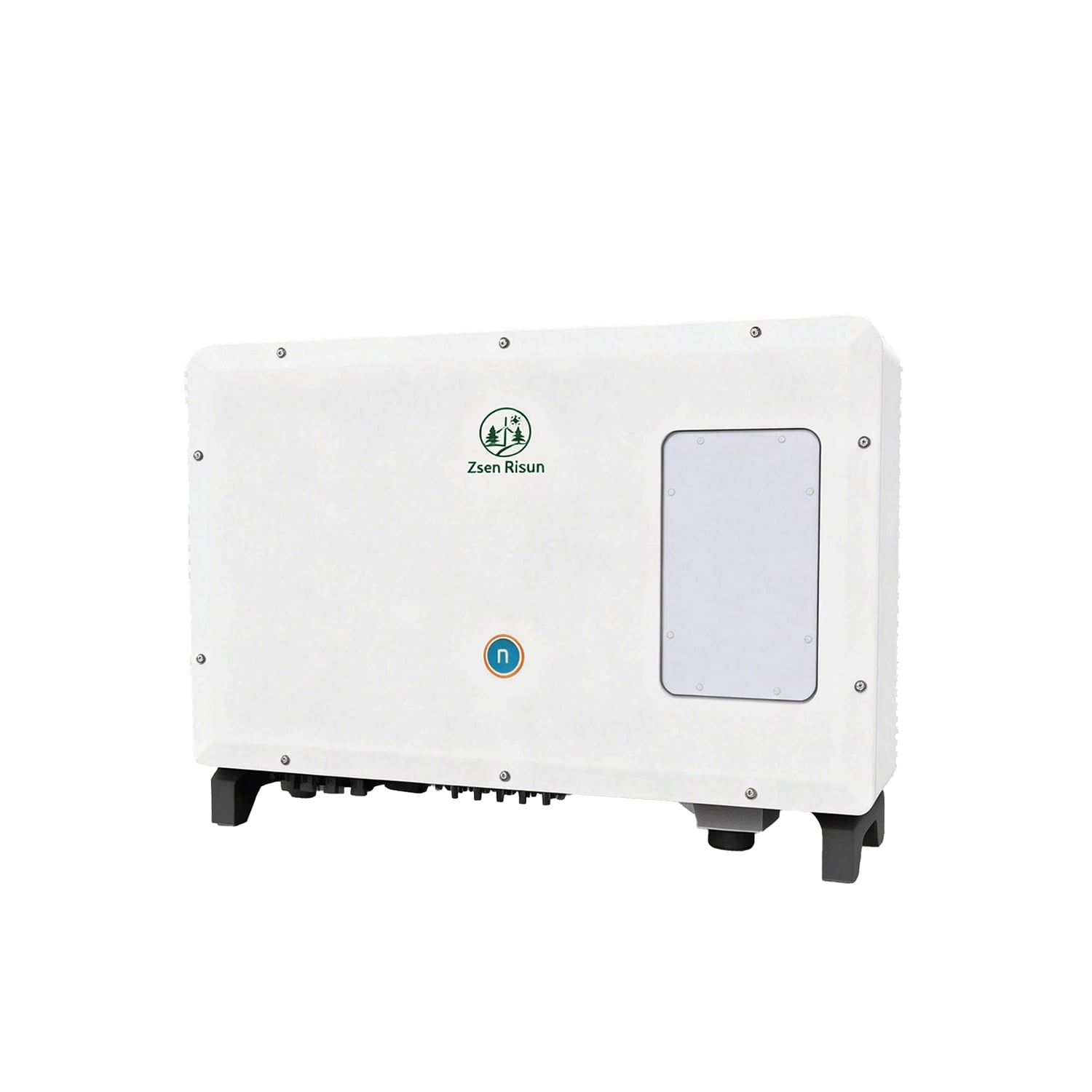
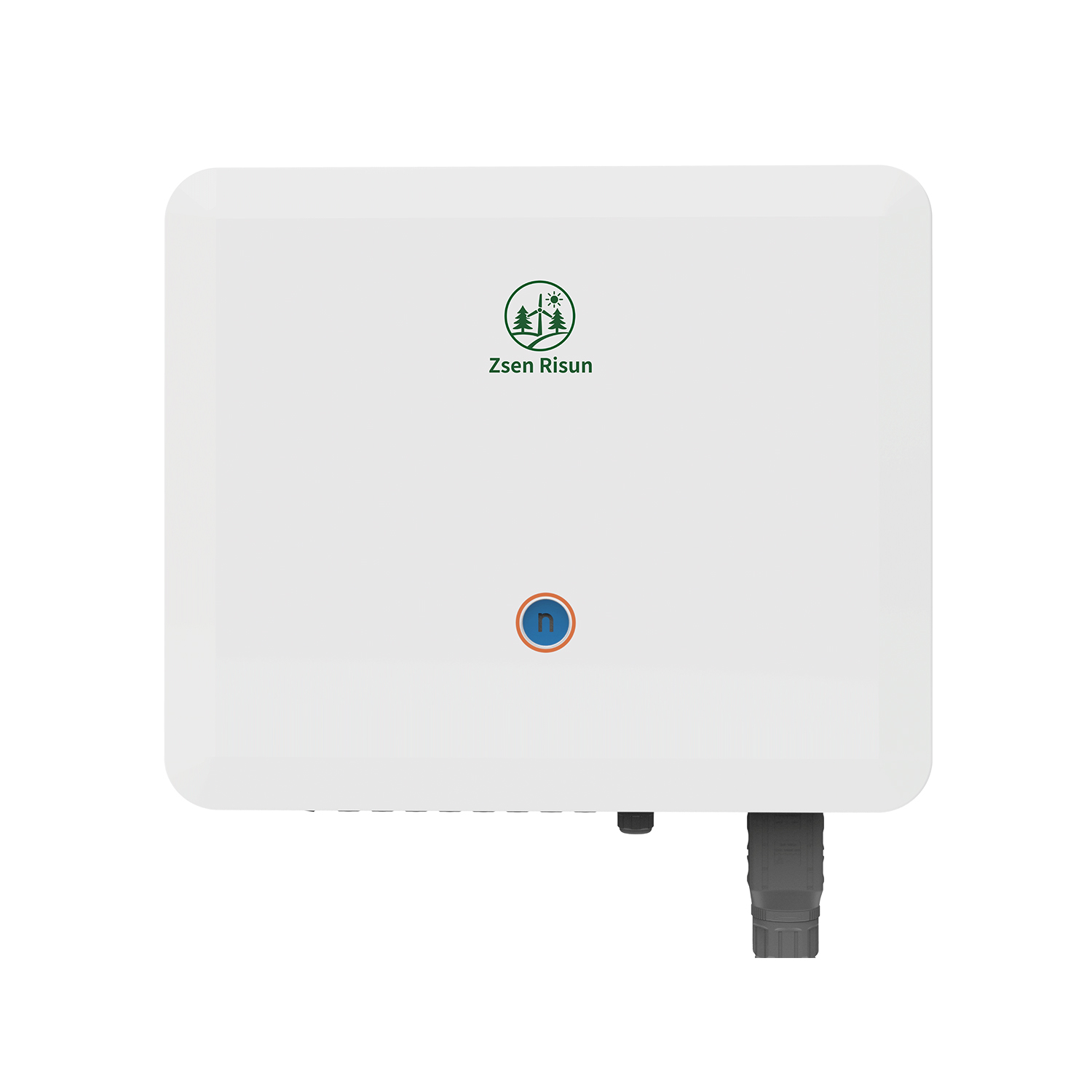
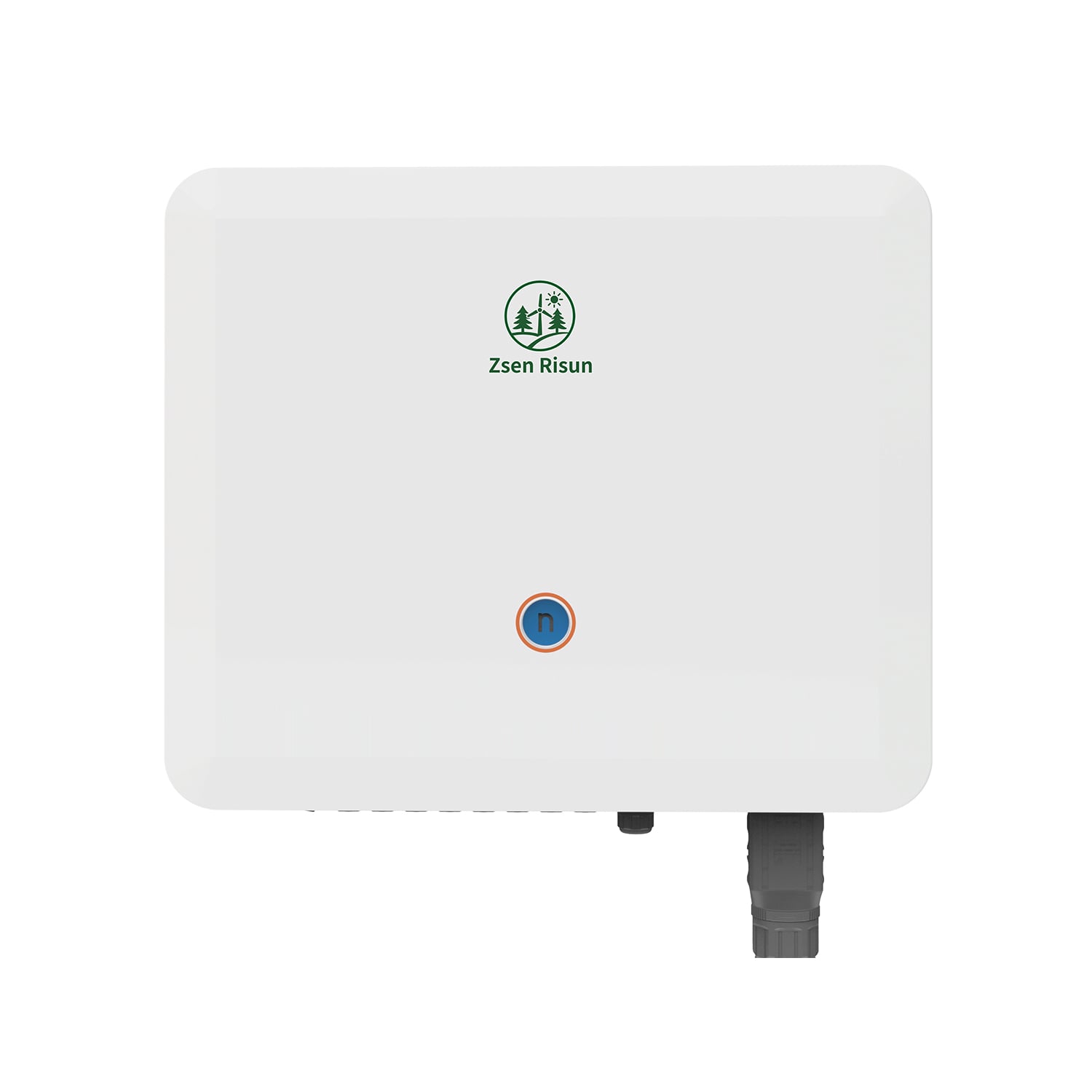
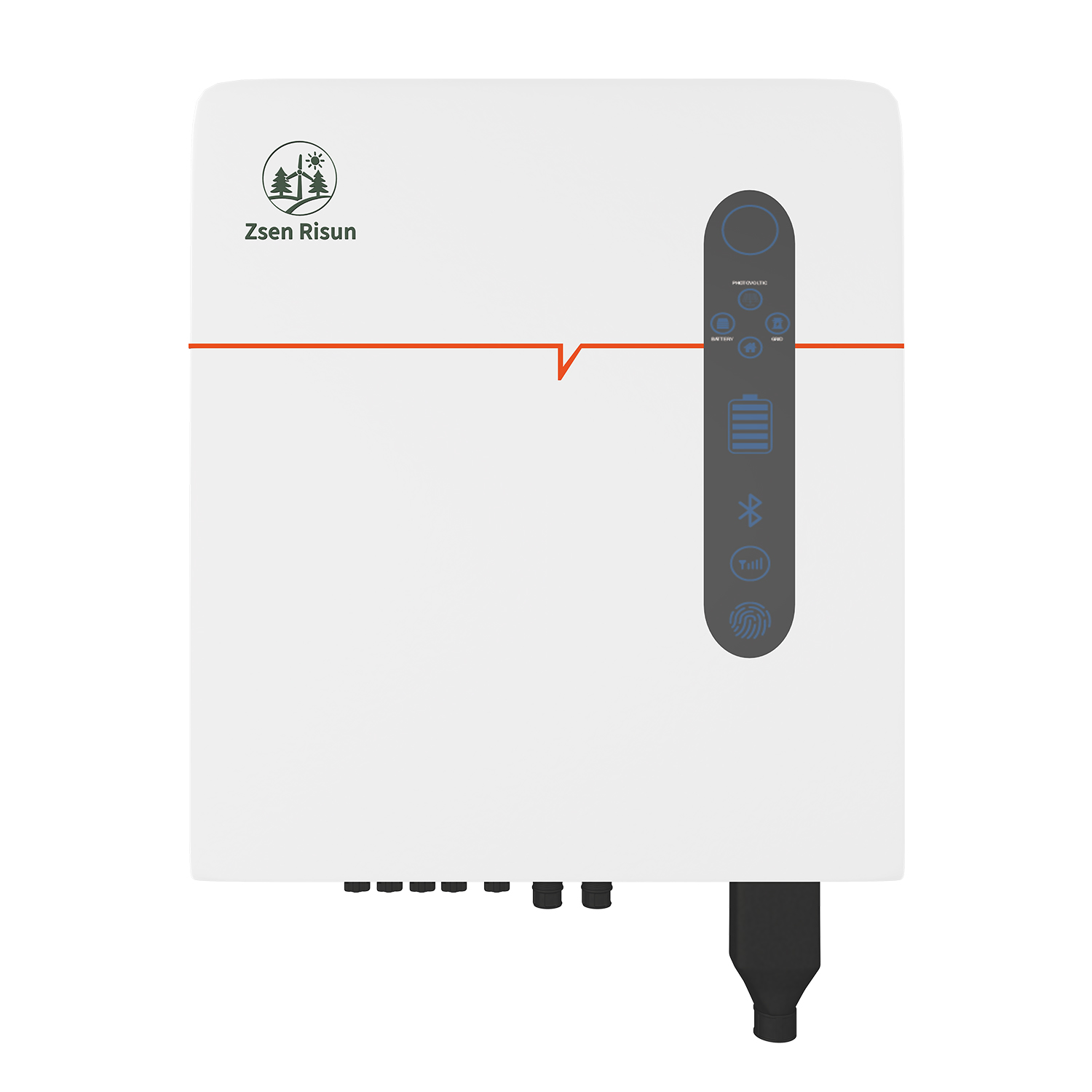
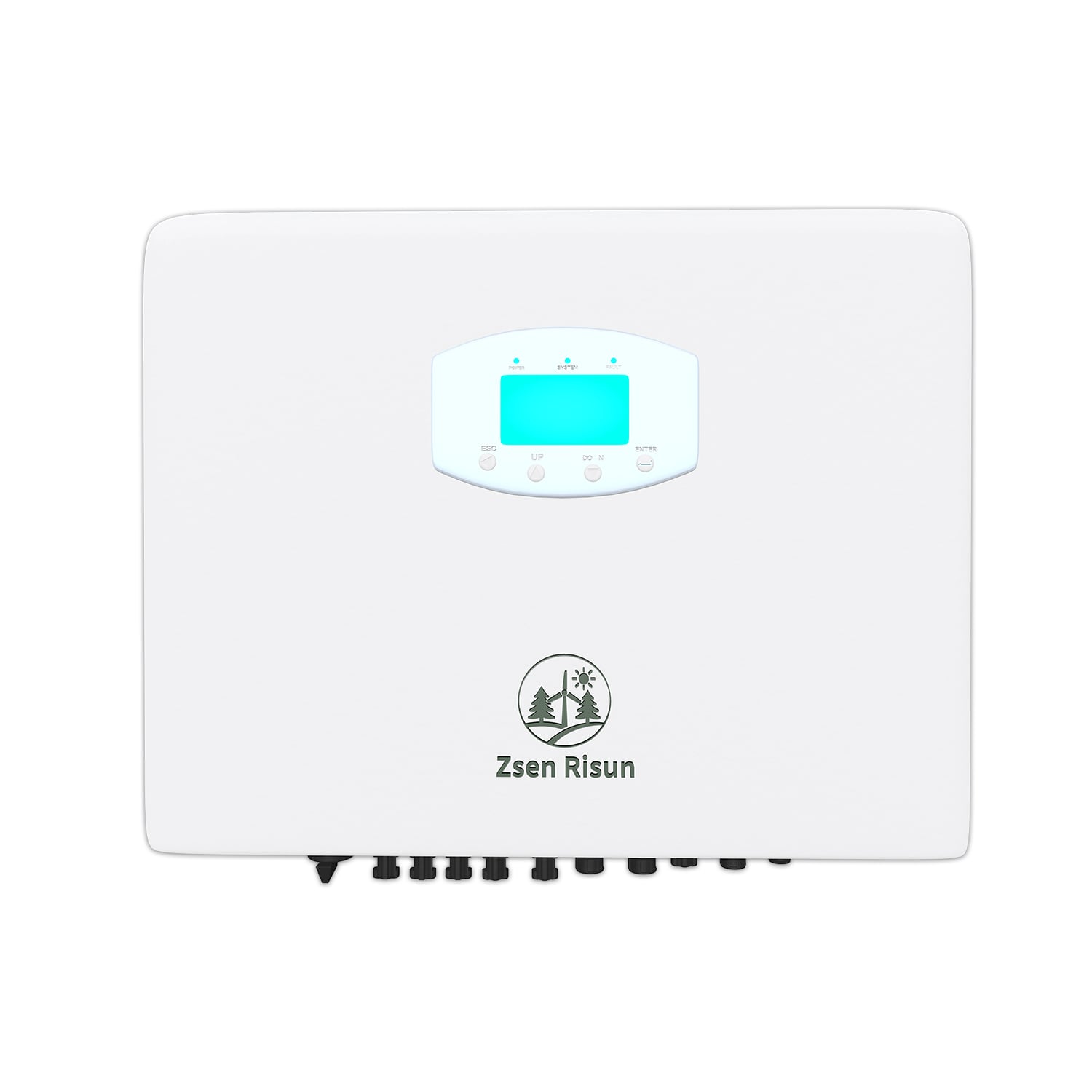
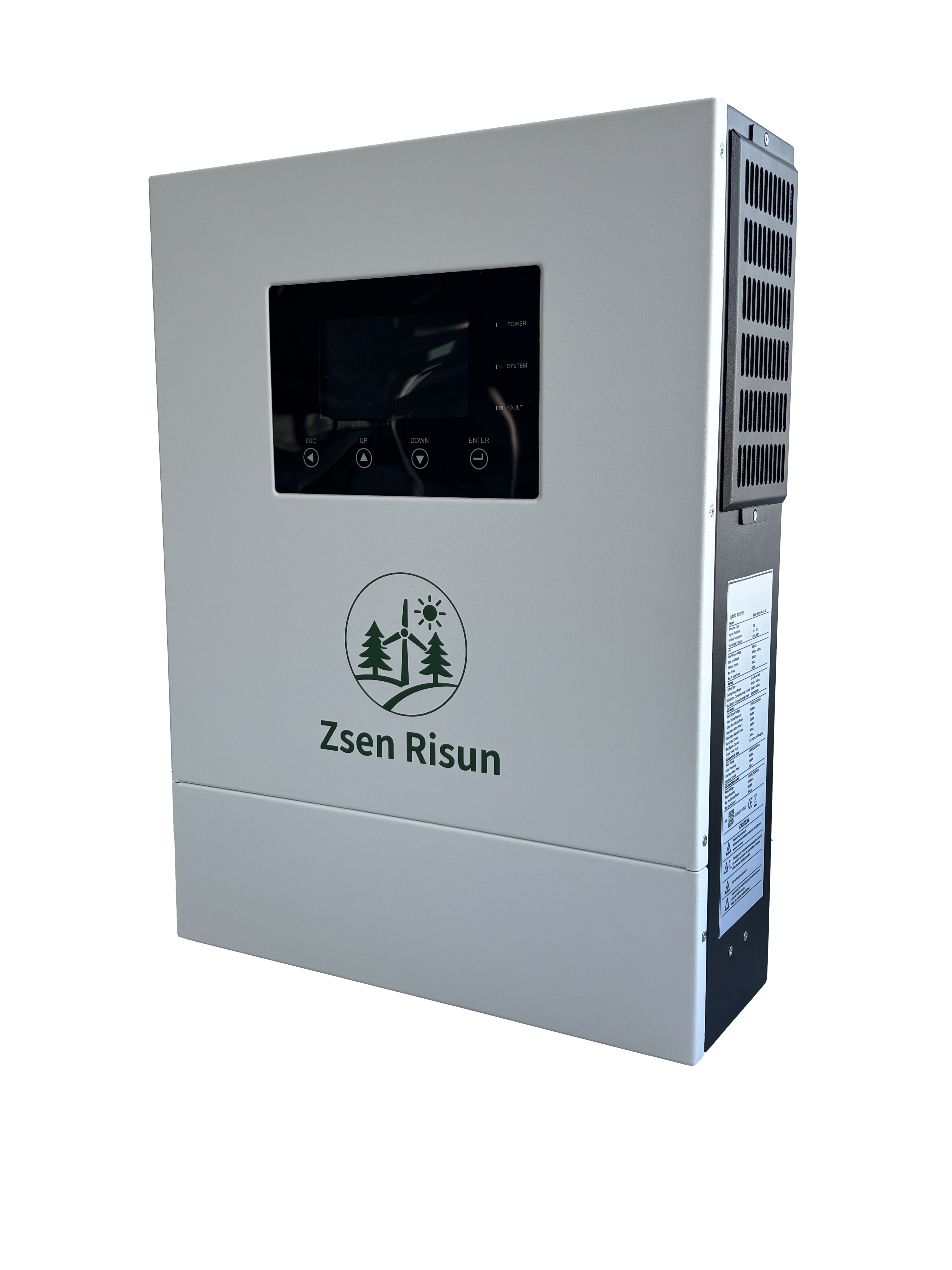
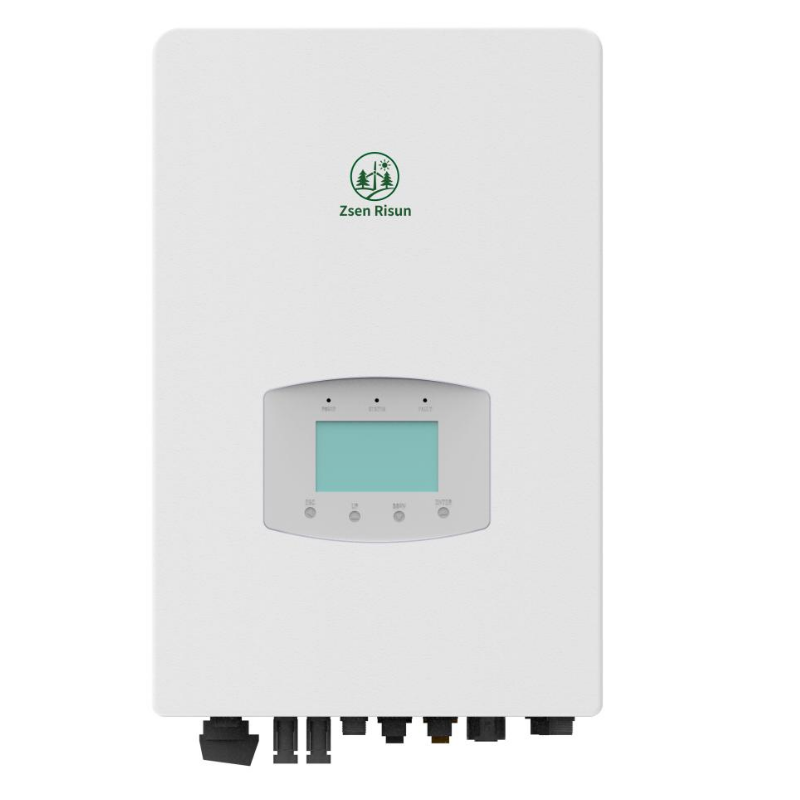
I. Core Advantages of Inverters: High-efficiency energy conversion is the core competitive advantage. Mainstream photovoltaic energy storage inverters achieve conversion efficiencies of over 98.4%, with three-phase models even exceeding 99%, minimizing energy loss. Combined with the long cycle life characteristics of lithium iron phosphate batteries, this significantly improves the overall power generation revenue of energy storage systems. Bidirectional inversion capabilities adapt to diverse needs, converting DC power stored in lithium batteries into AC power for load use, and rectifying grid power into DC power to charge batteries during off-peak hours, enabling peak-shaving and arbitrage, meeting the energy-saving demands of commercial energy storage.
It boasts strong compatibility, adapting to mainstream lithium battery types such as lithium iron phosphate and ternary batteries, supporting 200V-800V wide voltage input, covering multiple power segments from 3KW to 50KW systems, and is compatible with grid-connected, off-grid, and hybrid grid-connected modes, seamlessly connecting with photovoltaic modules and the power grid, meeting the flexible needs of residential, commercial, and industrial applications. In terms of safety, it features multiple protection mechanisms, providing comprehensive protection against overvoltage, overcurrent, overtemperature, short circuits, and islanding effects. It works in conjunction with the battery management system (BMS), cutting off faulty circuits in milliseconds, and complies with domestic and international industry standards such as IEC 62109 and GB/T 34131.
It exhibits outstanding intelligence, integrating MPPT (Maximum Power Point Tracking) technology to track the maximum power output of photovoltaic modules in real time, improving power generation efficiency; it supports multiple communication protocols such as WiFi, RS485, and CAN, allowing for remote monitoring of operating status and adjustment of charging and discharging strategies. Some high-end models incorporate AI scheduling algorithms, reducing operation and maintenance costs. Furthermore, the modular design facilitates installation, maintenance, and expansion, with a compact size and excellent heat dissipation performance, adapting to various installation scenarios such as residential wall-mounting and commercial rack-mounting.
II. Inverter Manufacturing Process: The core of the manufacturing process focuses on circuit design, component selection, and assembly and debugging, with the goal of ensuring stable performance throughout the entire process. Circuit topology design is fundamental, with the mainstream approach employing a full-bridge inverter topology. Parameters are optimized through simulation to balance conversion efficiency and harmonic suppression capabilities. Integrated power factor correction (PFC) circuits are also included, ensuring the output current harmonic content is below 5%, meeting grid connection standards and preventing interference with connected equipment.
Power device selection and packaging are crucial. Core components primarily utilize IGBT (Insulated Gate Bipolar Transistor) or SiC (Silicon Carbide) wide-bandgap semiconductor materials, with rigorous parameter screening to ensure voltage, current, and heat dissipation performance meet specifications. Vacuum reflow soldering is used for packaging, ensuring tight contact between the chip and substrate. Combined with thermal conductive silicone, heat sinks, and liquid cooling systems, this efficiently dissipates working heat, addressing high-temperature aging issues and extending device lifespan. PCB layout design focuses on electromagnetic compatibility (EMC) optimization, using reasonable partitioning and shielding layers to suppress electromagnetic interference and ensure stable operation in complex environments.
Assembly and debugging processes are rigorous and standardized. After precise assembly of core components on an automated production line, the units undergo a 72-hour high-temperature, high-load aging test to verify performance stability and durability. Precision calibration follows, adjusting key parameters such as MPPT tracking accuracy and output voltage frequency stability to ensure compliance with design standards. Finally, multiple verifications, including EMC testing, high-low temperature cycling tests, and fault simulation tests, are conducted to eliminate defective products and guarantee outgoing quality.
Current process iterations focus on energy efficiency and miniaturization. The large-scale application of SiC devices further improves conversion efficiency by 1-2 percentage points, and intelligent assembly equipment enhances product consistency, driving inverters towards higher efficiency, reliability, and integration, providing core technological support for new energy storage systems. (The full text is approximately 995 words, continuing from the previous section on lithium iron phosphate batteries. Subsequent paragraphs will return to the introduction of other lithium battery types, maintaining the overall classification and analytical logic of the document to ensure smooth contextual flow.)
Superior compatibility and integration: The all-in-one unit completes the matching and debugging of the battery, inverter, and BMS before leaving the factory, avoiding malfunctions caused by improper brand compatibility in separate devices. It supports mainstream battery types such as lithium iron phosphate and ternary lithium batteries, with a wide voltage input range (200V-800V) to meet the needs of multiple power segments from 3KW to 20KW. It is compatible with grid-connected, off-grid, and hybrid modes, and can seamlessly connect to photovoltaic modules and the power grid.
Enhanced intelligence and safety: It integrates high-precision MPPT (Maximum Power Point Tracking) technology to optimize photovoltaic power generation efficiency in real time; it is equipped with an integrated intelligent control system, supporting WiFi and RS485 communication, allowing for remote monitoring of battery status and adjustment of charging and discharging strategies, enabling peak-shaving and energy storage scheduling. In terms of safety, it integrates multiple protections against overvoltage, overcurrent, overtemperature, and islanding effects. The BMS and inverter work together to cut off the faulty circuit in milliseconds, complying with industry standards such as IEC 62109 and GB/T 34131.
Significant cost advantages: Large-scale integration reduces module procurement and assembly costs, resulting in an overall cost 15%-20% lower than separate devices. It also reduces the difficulty of subsequent maintenance, eliminating the need to maintain the battery and inverter separately, reducing maintenance costs by 30%, and meeting the cost-effectiveness needs of households and small and medium-sized businesses.