Core Manufacturing Process: The performance advantages of lithium iron phosphate batteries stem from precise manufacturing processes. Currently, industrial mass production focuses on the synthesis of cathode materials, combined with cell assembly and post-processing steps. Mainstream processes can be divided into two categories: solid-phase method and liquid-phase method. Among these, the carbothermal reduction solid-phase method accounts for over 70% of the global total output, demonstrating significant technological maturity and cost advantages.
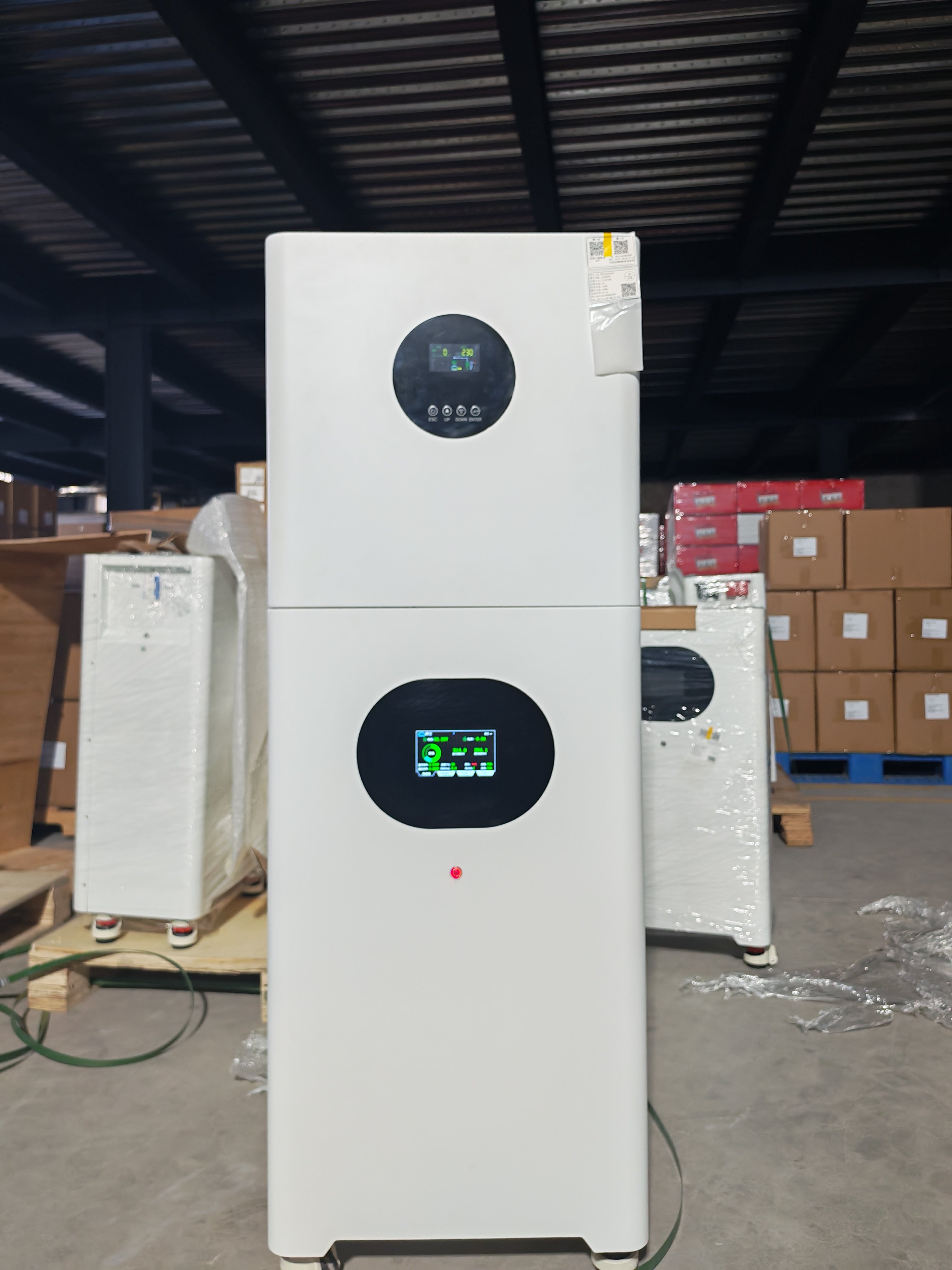
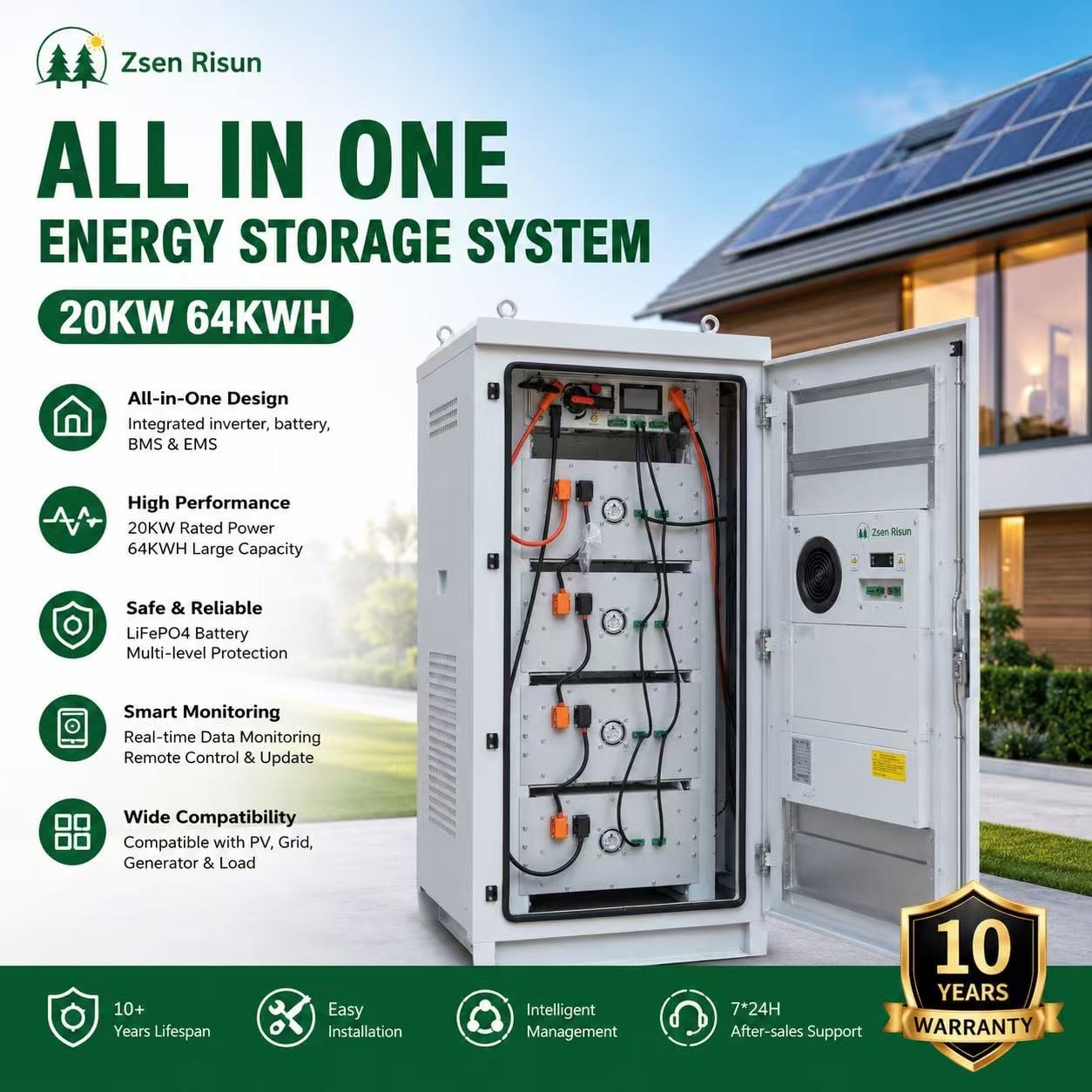
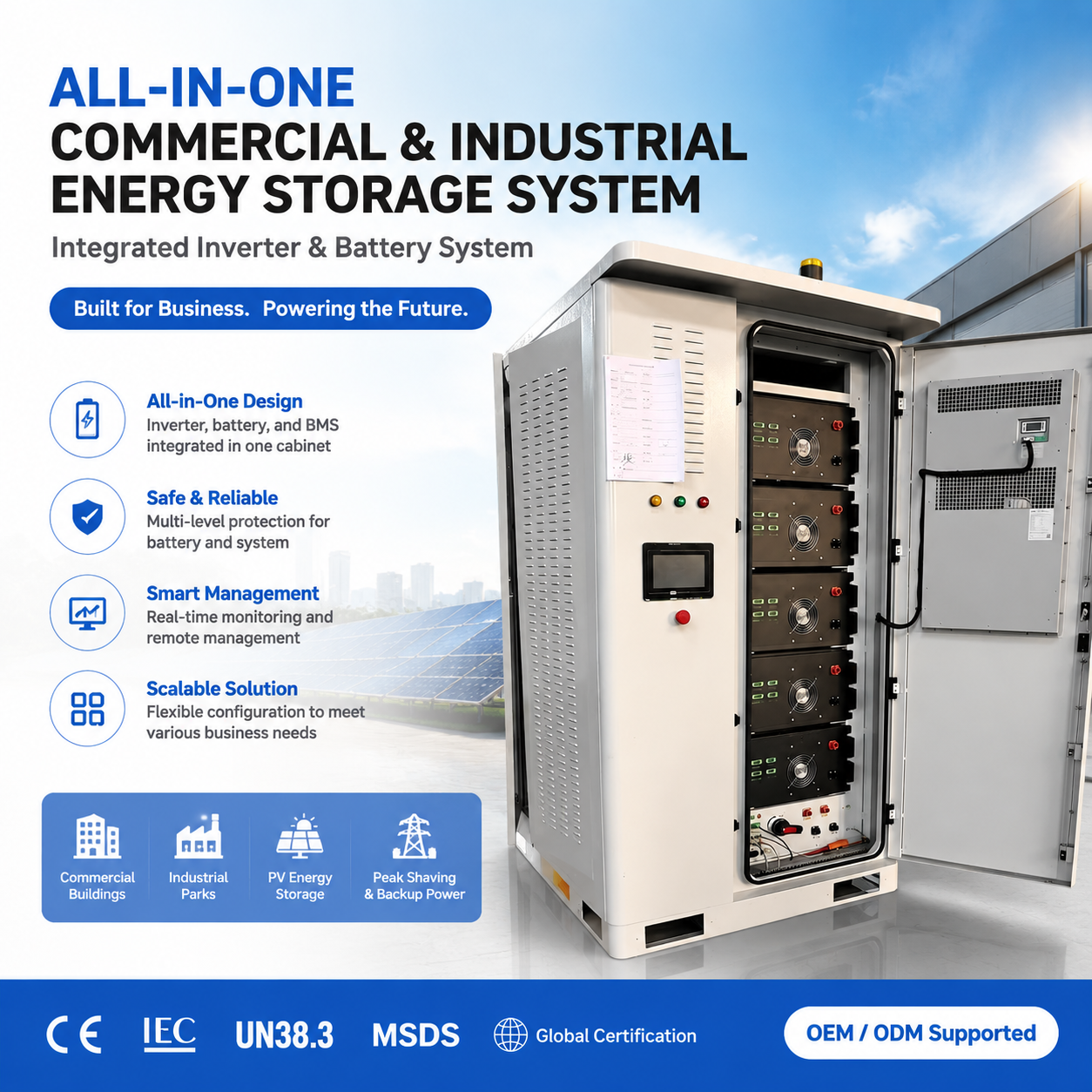
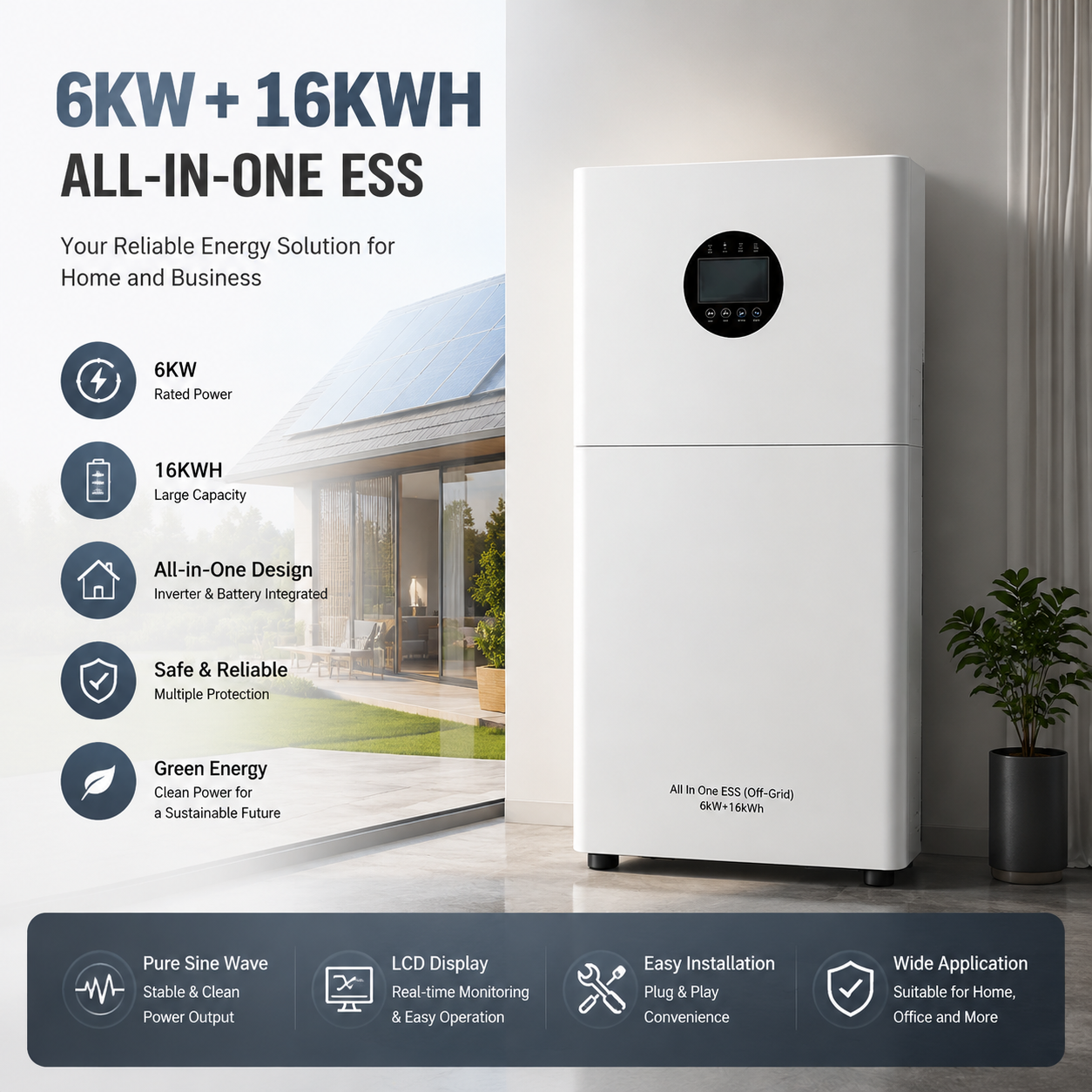
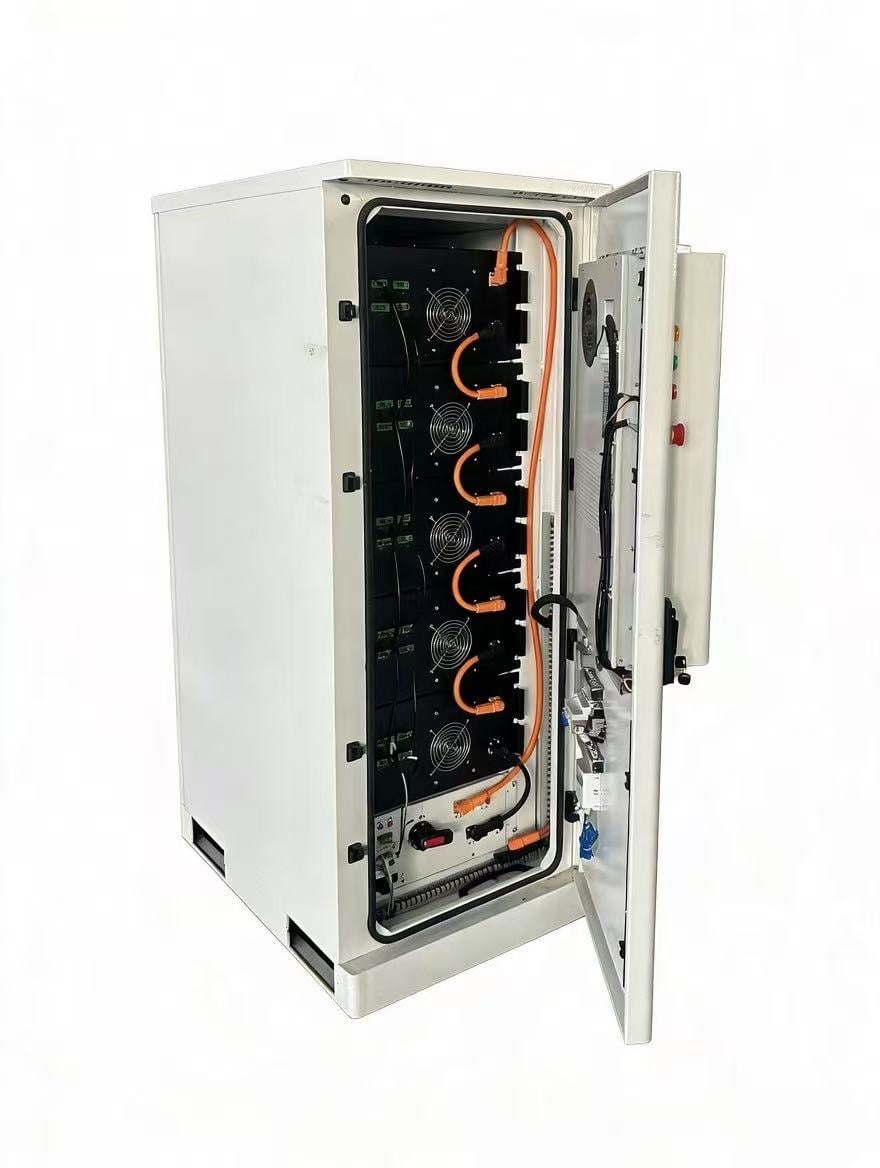
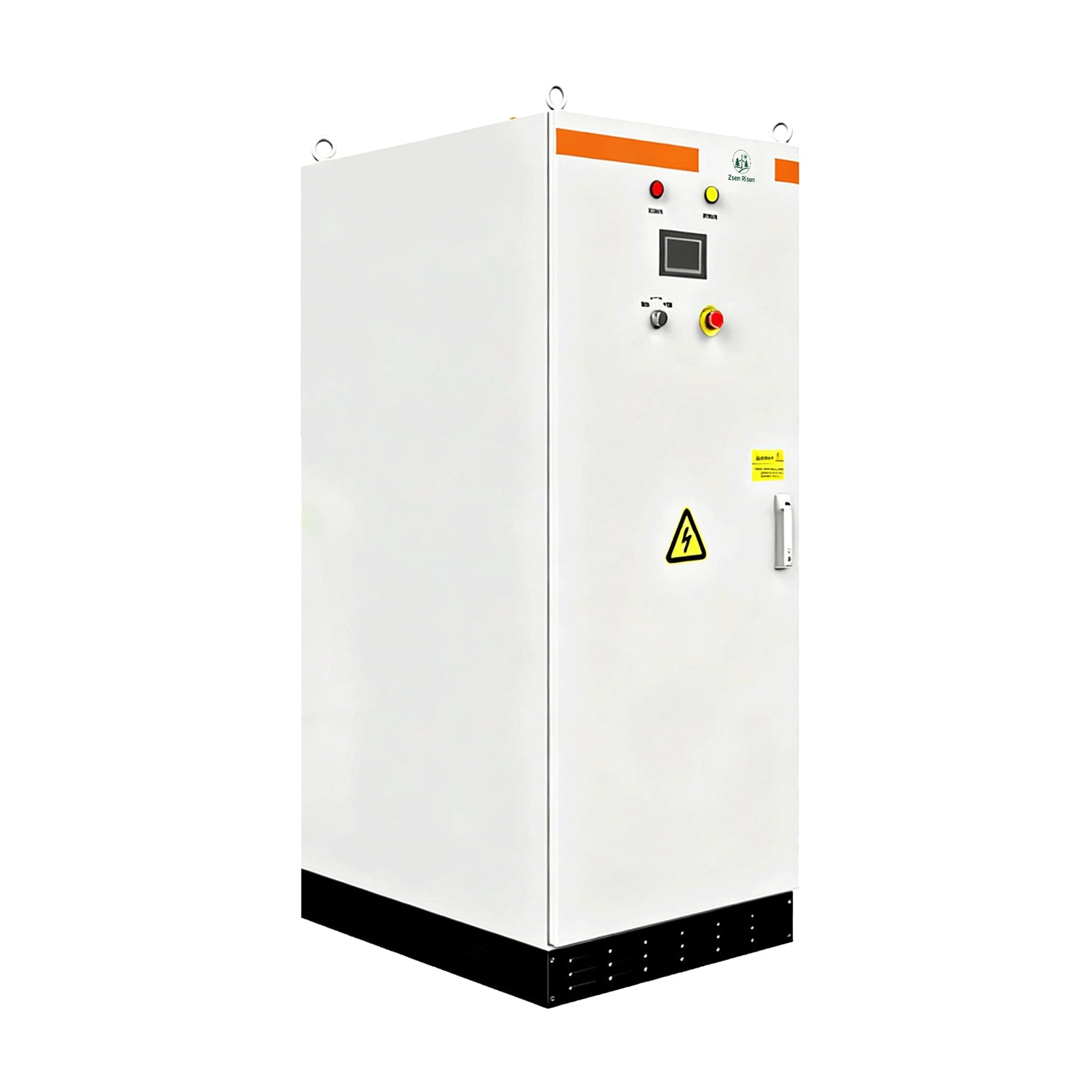
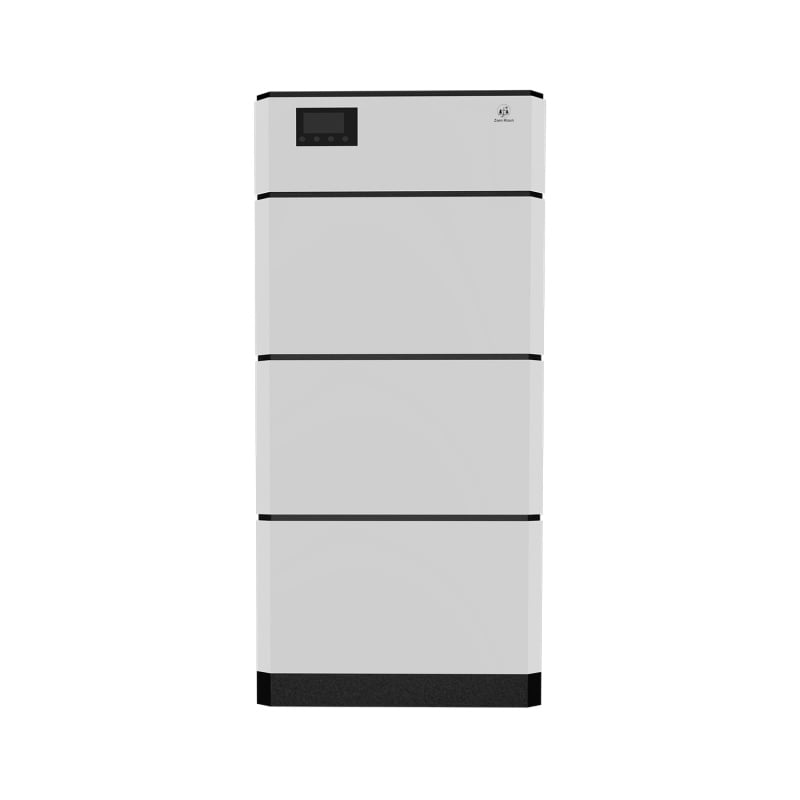
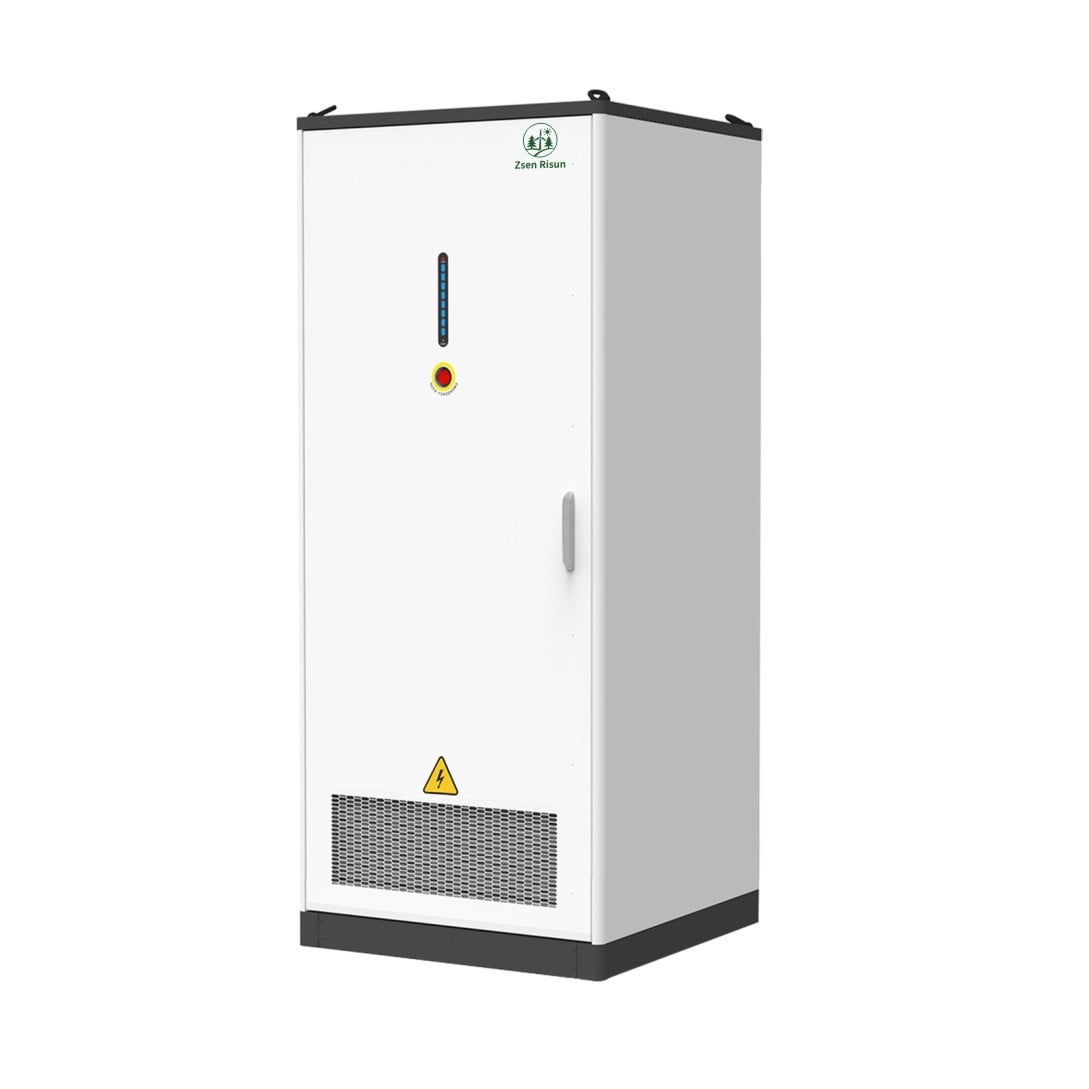
In photovoltaic energy storage systems, the integrated battery inverter unit, as the core integrated supporting equipment for lithium iron phosphate batteries, highly integrates modules such as lithium batteries, inverters, BMS (Battery Management System), and PCS (Power Conversion System). Compared to traditional separate devices, it is more suitable for household and small commercial applications. Its advantages and manufacturing process directly determine the system integration efficiency and reliability, which will be analyzed in detail below.
I. Core Advantages of the Integrated Battery Inverter Unit: Integrated design is the core competitive advantage. Through the integration of multiple modules, the volume is reduced by 30%-40% compared to separate devices, and the weight is reduced by more than 25%. It is suitable for household wall-mounted and commercial rack-mounted installations, significantly saving installation space and construction costs, especially suitable for space-constrained home energy storage scenarios. At the same time, integration reduces the number of connecting wires between modules, reducing energy transmission losses, and the system conversion efficiency is improved by 1.5-2 percentage points compared to separate devices. Combined with lithium iron phosphate batteries, it can achieve an overall conversion efficiency of over 98%.
Better compatibility and synergy: The integrated unit has completed the matching and debugging of the battery, inverter, and BMS before leaving the factory, avoiding faults caused by improper brand compatibility in separate devices. It supports mainstream battery types such as lithium iron phosphate and ternary batteries, and its wide voltage input range (200V-800V) adapts to multi-power segment needs from 3KW to 20KW. It is compatible with grid-connected, off-grid, and hybrid modes, and can seamlessly connect to photovoltaic modules and the power grid.
More prominent intelligence and safety: It integrates high-precision MPPT (Maximum Power Point Tracking) technology to optimize photovoltaic power generation efficiency in real time; it is equipped with an integrated intelligent control system, supporting WiFi and RS485 communication, allowing for remote monitoring of battery status and adjustment of charging and discharging strategies, enabling peak-valley arbitrage and energy storage scheduling. In terms of safety, the system integrates multiple protections against overvoltage, overcurrent, overtemperature, and islanding effects. The BMS and inverter work together to cut off the faulty circuit in milliseconds, complying with industry standards such as IEC 62109 and GB/T 34131.
The cost advantages are significant. Large-scale integration reduces module procurement and assembly costs, resulting in an overall cost 15%-20% lower than separate systems. It also reduces the difficulty of subsequent maintenance, eliminating the need to maintain the battery and inverter separately, reducing maintenance costs by 30%, and meeting the cost-effectiveness needs of households and small and medium-sized businesses.
II. Battery Inverter Integrated System Manufacturing Process: The core lies in modular integration and collaborative debugging, where process precision directly affects system stability. First is the integrated architecture design, which adopts a modular topology. The battery pack, inverter circuit, and BMS module are partitioned according to electromagnetic compatibility (EMC) principles, optimizing the spacing between power and control circuits, and adding shielding layers to suppress electromagnetic interference, ensuring that each module works together without signal conflicts.
The core component integration process is rigorous. The battery pack uses lithium iron phosphate cells assembled in series and parallel, encapsulated by vacuum hot pressing and waterproof treatment, achieving a protection level of IP54 or higher; the inverter's core components use SiC (silicon carbide) modules instead of traditional silicon-based devices, encapsulated through vacuum reflow soldering, and equipped with integrated heat sinks and a liquid cooling system to solve the heat dissipation problems caused by integration, ensuring stable operation in high-temperature environments.
Collaborative debugging is a key process. After hardware integration is complete, the entire system undergoes aging testing using a dedicated testing system, running continuously for 72 hours under high temperature and high load conditions. The communication protocols and charge/discharge strategies of the BMS and inverter are debugged simultaneously, and the MPPT tracking accuracy and output voltage stability are calibrated. Subsequent steps include multiple verifications through EMC testing, high and low-temperature cycle testing, and fault simulation testing to ensure that the entire system meets grid connection and safety standards.
Process iterations focus on performance upgrades, using high-density cell integration technology to improve energy density, optimizing the heat dissipation structure to reduce energy consumption, and incorporating AI algorithms in some high-end models to achieve intelligent energy storage scheduling. The mature integrated process makes the integrated system a mainstream choice for photovoltaic energy storage systems, especially suitable for the long cycle life and high safety characteristics of lithium iron phosphate batteries, promoting the large-scale development of the home energy storage market.