Remarkable Safety Features for Residential Applications
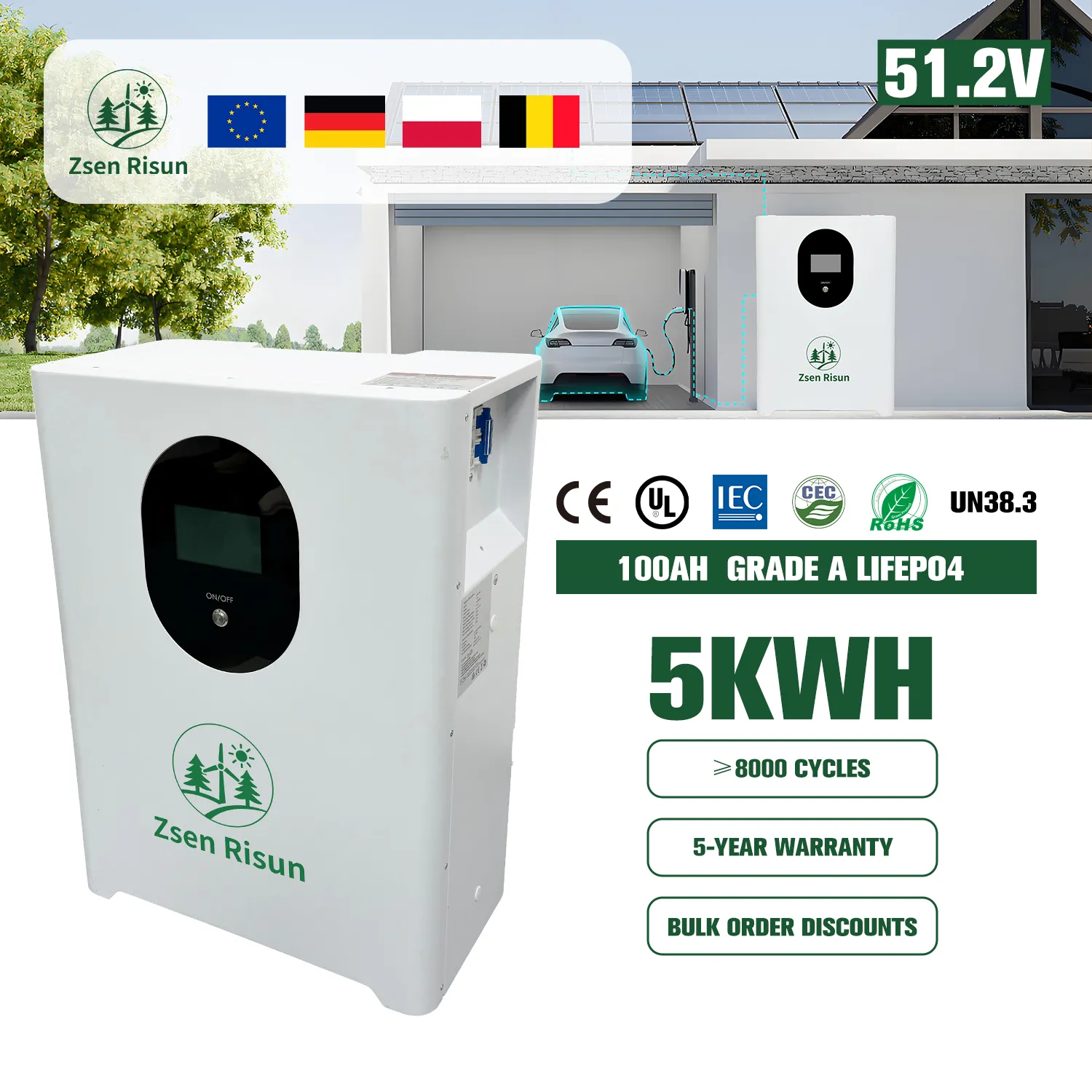
Safety is a primary concern for off-grid home energy storage solutions in Europe—especially with remote residential energy storage solutions for mountain cabins and rural locations. 48V LiFePO4 batteries have unique advantages with respect to safety because of their highly stable and safe chemical structure. Lithium iron phosphate batteries offer a more thermally stable and less risky alternative to thermal runaway, overcharging, short circuit, and high-temperature situations than most lithium-ion batteries. Numerous Industry authorities and certifying bodies in Europe, including VDE and IEC, have testified to the lessened risk of fire and explosion for residential applications of LiFePO4 batteries. These batteries typically have the CE, UN38.3, and ROHS certifications, which means they adhere to the strict safety and environmental regulations of Europe.
Cost-saving and Environmental Sustainability
Economic value is a primary consideration for European customers looking for off-grid storage options. 48V LiFePO4 batteries demonstrate impressive cycle lives. They typically achieve over 6000 cycles at 80% depth of discharge (some even over 8000 cycles due to high-end construction). This is 4 to 6 times the lifespan of standard lead-acid batteries. Based on real-world user cases, these batteries can last 10 years or even longer, decreasing replacement and maintenance costs. Round-trip energy efficiency can be even greater than 92%. In comparative terms, lead-acid batteries average at 80% round-trip energy efficiency. Less energy waste and lower energy costs can be achieved because more stored solar energy is made available to home appliances. For off-grid solar and wind households, energy waste and high operating costs can be eliminated.
High Efficiency and Flexibility to Different European Weather Conditions
Weather patterns across Europe vary significantly, as they range from extremely cold to quite warm throughout the seasons, translating to extreme temperatures below and above the operational limits of everyday batteries. The operational range of the 48V LiFePO4 battery technology withstands more extreme temperatures from -20ºC to 60ºC so users can benefit from operating the batteries in extreme cold and hot weather. The unchargeable rest period of these batteries can extend for months, as summer wearing hot, sunny, and highly irradiative days are optimal for fully charging the batteries, and short winter days can lead to fully discharging the batteries and leave them with extremely uncharged rest periods. This minimal rest period can be detrimental to charging the batteries during summer, as the batteries can residents of off-grid households in Europe can benefit from the long summer days. The independent energy research institutions have rated the 48V LiFePO4 batteries as the most appropriate for use in off-grid households in Europe based on these temperature operating compatible safety, and intelligent battery technology, of charge of the batteries, and charging efficiency. management and the efficient self-discharge batteries.
Simple System Integration and Expandable Capacities
48V systems are the most compatible with the hybrid, off-grid inverter, and energy management systems. The interconnect adapter, rack and wall-mounted modular design, and wireless design allows for remote interfacing and management to save time and improve labor efficiency. This modular design compact batteries can improve the efficiency of complete systems without replacing modules once on-site, which improves the battery off-grid flexibility and modular control systems ease the direct and speedy user interactivity and improve the charging and discharging time and users to customize the battery systems. Years of modular design extensive testing has provided and demonstrated systems of 48V European batteries to use an open and closed loop circuitry remote interfacing to improve user flexibility to control the batteries. The simple plug and play design of the systems greatly reduces the closed circuitry to improve safety and functionality, decrease and user control and improve ease of use to the user, and improve the customers' systems.
Environmental Values and Adherence to the European Low-Carbon Strategy
Environmental protection and low-carbon development are a high priority for European families. 48V LiFePO4 batteries are free of heavy metals and toxic substances, and are therefore compliant with Eu RoHS and environmental directives. They facilitate clean energy self-consumption and allow households to reduce their reliance on fossil-fuel powered grid electricity, thereby reducing the household carbon footprint. Several countries in the EU as well as regional authorities, have financial incentives for off-grid renewable systems, and certified LiFePO4 storage systems allow families to access subsidies and tax incentives. The use of green batteries with a long lifespan also helps achieve the circular economy by reducing waste from batteries being replaced frequently. This supports Europe's dual-carbon strategy and yields positive ecologic and economic outcomes for families over time.
Manufacturing Reliability and Supply Continuity
There is a signifiant need for strong manufacturing and quality control for the 48V LiFePO4 batteries to be of the highest quality. Zsen Risun is a company that specializes in solar storage systems and supplies certified 48V LiFe PO4 products with intelligent BMS, extended cycle life, and high safety. The company is able to provide flexible capacity, and is compliant with strict quality control and global certification, allowing it to provide off-grid European customers with a consistent supply and technical assistance. With its modular design, efficient production, and integrated full-chain service, Zsen Risun enables homeowners to build low-risk, reliable, and economical off-grid energy systems, as well as provide long-term, reliable energy to the rural and remote communities within Europe.
Table of Contents
- Remarkable Safety Features for Residential Applications
- Cost-saving and Environmental Sustainability
- High Efficiency and Flexibility to Different European Weather Conditions
- Simple System Integration and Expandable Capacities
- Environmental Values and Adherence to the European Low-Carbon Strategy
- Manufacturing Reliability and Supply Continuity