Core Working Principle
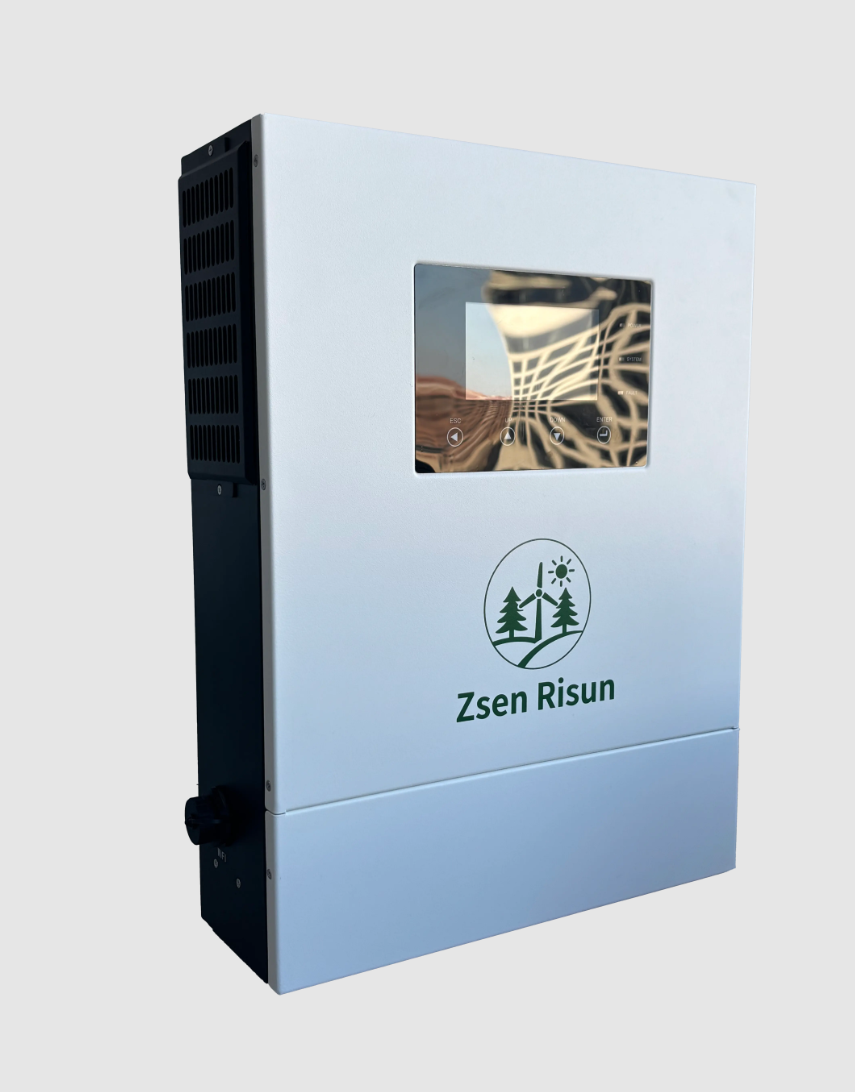
The hybrid inverter is the heart of a solar energy storage system. It sits between solar panels, energy storage batteries, and the grid. The inverter’s most basic task is to convert direct current (DC) electricity from solar energy systems into alternating current (AC) electricity, which is used to power household and industrial electrical devices. Using sophisticated power semiconductor devices that switch thousands of times per second, the inverter is able to convert the electricity. The hybrid inverter is different from a traditional grid inverter because it has both a grid connection and storage capability. It will figure out how to prioritize real-time loads first, save excess energy in a lithium iron phosphate battery, then pull from the grid or battery if there is a deficit in solar power generation. MPPT is a smart tracking technology that helps identify the maximum power point (MPP) of solar panels, efficiently optimizing the solar energy conversion rate to a best-in-class level. Additionally, it has microsecond level, seamless changes between grid and battery storage operations.When there is a failure in the grid,it can instantaneously transition to off grid operation to provide power to essential loads, circumventing the economic impacts of power outages.
Advantages of Hybrid Inverters
There are three crucial aspects involved in assessing the technical advantages of hybrid inverters. These components are high efficiency over all energy conversion, stable switching, and intelligent stream management. In terms of conversion efficiency, many top tier hybrid inverters on the market achieve over 98.5% conversion efficiency. This is largely thanks to the use of high end semiconductor materials and circuits that have been optimized to minimize energy loss in the conversion process. The seamless switching function is the result of a high speed response controlling system that is more than capable of carrying out a mode change without any momentary power loss. This is quite relevant for commercial and industrial operations where power supply stability is quite a priority. The integrated intelligent EMS energy management system is fully capable of performing automatic peak shaving, and valley filling, setting battery charge and discharge times to most economically interface with the grid, and adjust battery discharge times to most economically interface with the grid, thereby maximizing the economic benefits of the user. Furthermore, various protection mechanisms are integrated in to the inverter’s system to offer protection against overvoltage, overcurrent, and excess temperatures in order to protect the energy storage system from the ramifications that result from subpar operational conditions.These technical advantages have been confirmed by international regulatory certifications, including UL and ISO, which ensures that the equipment operates without any issues.
Practical Application Cases
In real life, hybrid inverters help to addresses the different users' pain points in the use of energy. After matching the hybrid inverter with the residential energy storage system, the solar energy self use rate was increased from 50% to more than 85%. The user stores surplus electricity generated during the day in the battery and uses the battery to supply power during the peak electricity price period at night. This helps in saving almost 40% of the monthly utility bill. A small and medium-sized industrial enterprise benefits from the hybrid inverter by eliminating high peak power swallowing cost. The enterprise stores surplus solar power during the day, and uses it during the industrial production peak. This results in reduced reliance on the grid and lowers the production and operational costs. All these practical examples show that the hybrid inverter is a green energy device that helps users save energy and reduce costs.
Commercial and Environmental Value
The commercial and environmental impact of hybrid inverters justifies their value beyond simple power conversion. They provide both a cost-saving and environmentally friendly solution. Commercially, they lower a user's electricity cost by increasing solar energy self-consumption and enabling peak and off-peak electricity price arbitrage. For commercial and industrial customers, they reduce the energy transformation investment risk as well as increase the return on investment for the entire photovoltaic energy storage system. Environmentally, the use of hybrid inverters increases the adoption of clean energy and the lessening of fossil energy usage and, therefore, reduces the customer's carbon footprint. Households and businesses, alike, can reduce their carbon emissions and, therefore, contribute to the EGS goals of the global sustainable development movement. This dual benefit of hybrid inverters makes them highly valuable for users undergoing energy transformation.
Product Reliability and Industry Assurance
The long-term stable operation of a hybrid inverter is highly dependence on the design of the product and the quality control involved. The high quality hybrid inverter components use grade A lithium iron phosphate cells that have a cycle life of more than 6000 cycles and can reach over 8000 cycle for high-end products. They have also received multiple international authority certifications, CE, UN38.3 and ROHAS, which allow them operational use in various geographical locations, and give them longevity as a product. Aside from product design, regular maintenance and IOM and IMS systems also provide great assurance in terms of reliability of the inverter. The intelligent monitoring system tracks the operation system, fends off deterioration of components, and helps curb maintenance cost and system downtime. Industry installation standards and a solid after-sales system further suite the hybrid inverter as a trustworthy green source of energy.
Global Manufacturing and Supply Chain Capability
The Research and Development, along with the manufacturing capability of hybrid inverters, sets the standards for the competitive edge and performance of the product. One of the internationally leading professional manufacturers of the global energy storage industry with more than 11 years of industry experience and 11 years of experience in R&D and manufacturing, has a fully-fledged in-house R&D and manufacturing center for hybrid inverters and holds more than 28 patents with R&D and manufacturing capabilities. Zsen Risun has built a global supply chain, and aftermarket support framework by selling products in 171 countries and 190 international company collaborations. The company is committed to product development and to improve the quality of next-generation hybrid inverters and to R&D new products with enhanced performance and efficiency. Zsen Risun with the support of industrial clusters and ports, can provide integrated solutions for photovoltaic energy, grid, and energy storage, and has become a major partner for customers to achieve energy transition.